

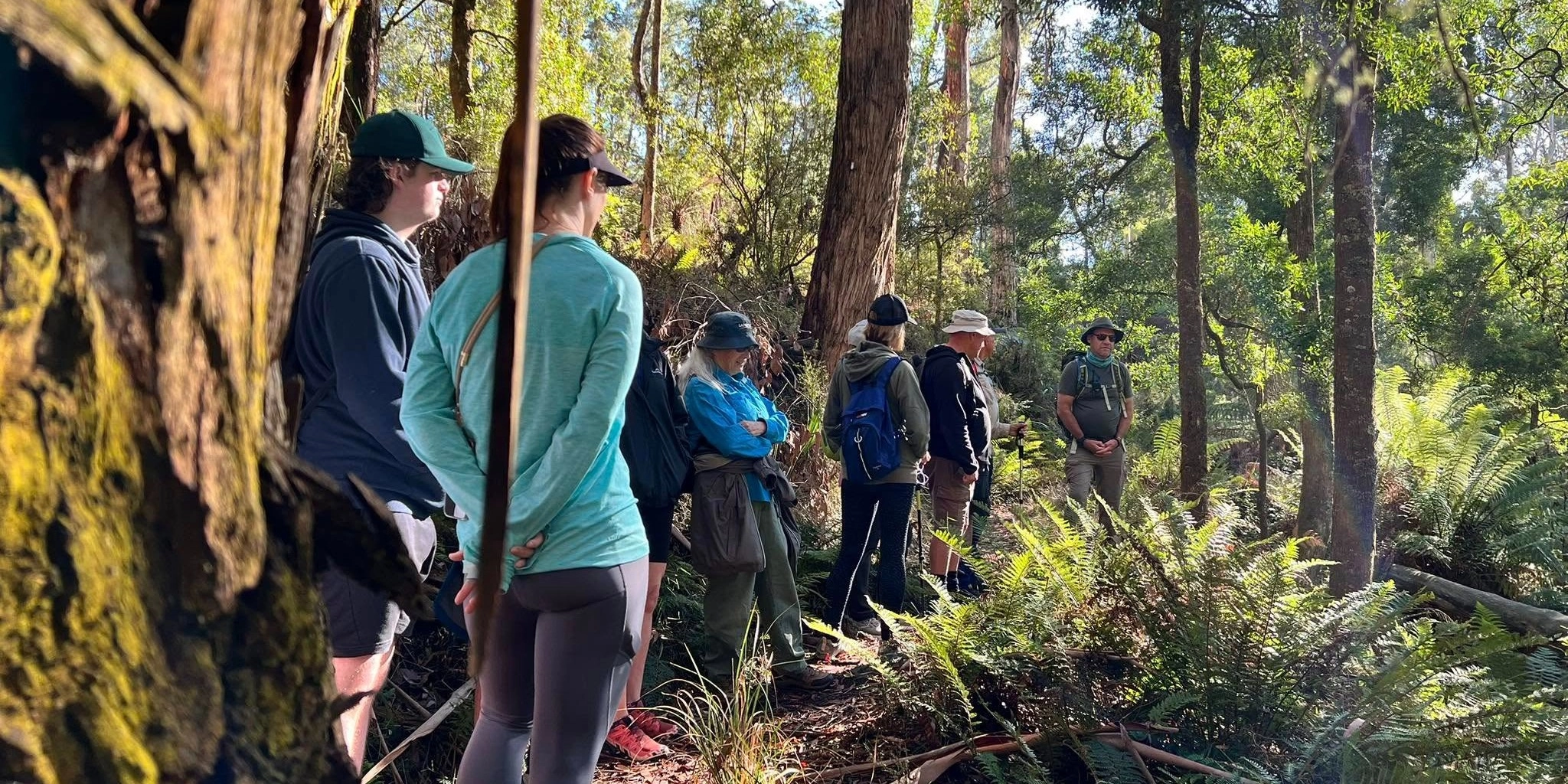
Melbourne is one of those cities that has everything you could ask for, including some seriously stunning natural scenery within a couple of hours of the CBD. Whether you’re looking to get into hiking for the first time or are finding your next great challenge, getting outside and hitting the trail is one of the best things you can do for your body and mind.
Thankfully, you don’t need to be a seasoned hiker to enjoy the great outdoors around this amazing city. The best hikes near Melbourne range from easy, flat walks perfect for beginners to slightly more challenging trails for those ready to push themselves a little further. There is truly something for everyone.
In this list, we’ve rounded up a variety of trails that cater to all fitness levels, so you can find the perfect match for wherever you are in your fitness journey. In a few minutes, you will know exactly where to go, what to expect, and how to make the most of your first hiking adventure near Melbourne.
Why Melbourne Is One of Australia’s Best Hiking Bases
If you’ve ever wondered why so many people seem to be heading outdoors on weekends, the numbers tell a pretty compelling story. According to AusPlay 2026 data, a remarkable 937,035 Victorians now participate in bushwalking, representing a 16.1% participation rate across the state. To put that in perspective, that’s more people than play tennis, basketball, and AFL combined.
Part of what makes Melbourne such a brilliant hiking spot is its geography. Within a couple of hours of the CBD, you can find yourself standing on cliff above the ocean, walking along river gorges, exploring cool rainforests, or stretching your legs across open parkland. That kind of variety in such a compact radius is rare, and it means you’re never short of somewhere new to explore.
This is recognised by larger agencies, too. Victoria’s tourism spend reached $46.7 billion in the year ending December 2025, up 6% year on year, with much of that growth driven by locals investing in outdoor and nature-based experiences. Meanwhile, Australia’s wellness tourism market is valued at USD 20.71 billion in 2025, reflecting a growing recognition that time on the trail is both fun and good for you.
The growing popularity of hiking is no surprise when getting started requires almost no gear, no experience, and no huge budget.
Choosing the right hike for you
Not every trail near Melbourne suits every person, and that’s a good thing! With so much variety on offer, a little planning upfront means you’ll spend your day somewhere you really love, rather than struggling through something that wasn’t quite right for where you’re at.
Match the trail to your needs and ability
Start by weighing up four key variables: distance, elevation, drive time, and terrain. A 10km coastal walk with 300m of elevation is a very different day out compared to a 3km forested loop on flat ground. Drive time matters too, especially if you’re new to hiking and don’t want to face a long drive home when you’re fatigued. Places like the Dandenong Ranges are around 40-50 minutes from the CBD, while Mornington Peninsula trails clock about 80-90 minutes each way. Factor in your current fitness, including any recent injuries or a slower group pace if you’re hiking with others.
How to understand grading
Grading labels can feel vague, so here’s our breakdown. Beginner trails are flat, well-marked, and generally under 5km, suitable for anyone wearing decent shoes. Intermediate trails involve some elevation gain, cover 5 to 12km, and may include steps or uneven ground, so moderate fitness helps. Challenging trails feature steep ascents, typically exceed 10km, and sometimes require basic navigation skills or scrambling. According to We Are Explorers’ guide to the best day hikes near Melbourne, places like Cathedral Ranges and Lerderderg Gorge fall firmly into that advanced category, with rock-hopping and exposed sections.
Hiking with the seasons
Autumn and Spring are the sweet spot for most trails near Melbourne. Temperatures are mild, conditions are manageable, and the landscapes are particularly beautiful. Summer can bring heat risk on exposed coastal tracks, so early starts, extra water and plenty of sunscreen are essential. Winter means mud, slippery rocks, and reduced visibility from fog. That being said, there is no such thing as bad weather, only bad preparation, so don’t let slightly adverse conditions turn you away. Check Time Out Melbourne’s seasonal hiking advice before heading out, and always verify current track conditions through Parks Victoria.
Checklist for your first hike
Before you set off, pack these basics: water (pack more than you typically drink and even more if it’s hot or strenuous), SPF 50+ sunscreen, a hat, sunglasses, and layered clothing you can add or remove as conditions change. Download offline maps to your phone before you leave home, since mobile coverage on many trails is unreliable. Solid footwear with good grip is non-negotiable, so avoid “fashion shoes” on anything beyond an easy track. A pair of regular runners will get you surprisingly far.
To guide or to self-guide?
Self-guided hiking is super freeing once you’ve built some experience and confidence. But if you’re just starting out, having a knowledgeable guide leading you makes a difference. Trails with unmarked forks, changing conditions, or unfamiliar terrain are far more enjoyable when someone is leading the way. Take Shape Adventures runs guided Victorian day hikes built specifically around beginner confidence and nature-based wellbeing, so you can focus entirely on the experience rather than worrying about navigation or preparation.
Dandenong Ranges: 45min from CBD
Just 40 to 50 minutes east of Melbourne’s CBD, the Dandenong Ranges provide one of the most rewarding nature escapes in Victoria. The towering forests, lush ferns and sound of birdsong replace the city’s hustle and bustle almost immediately, and that alone makes the short drive worth it. Research consistently links time spent in green spaces to reduced cortisol levels and nervous system recovery. The Dandenongs creates exactly the kind of immersive environment that delivers those benefits.
1000 Steps Kokoda Track Memorial Walk
This is probably the most talked-about walk in the entire region, and for good reason. The 1000 Steps Kokoda Track Memorial Walk covers roughly 3km return, winding through green rainforest alongside a creek before climbing steeply through dense ferns and mountain ash trees. It’s rated intermediate, mostly because the sustained stair climbing will get your heart rate up in the best possible way. The trail is also a meaningful historical tribute, with commemorative plaques honouring Australian soldiers from the WWII Kokoda campaign woven throughout the path. It’s a moving experience on top of being a solid workout.
Sherbrooke Falls Trail
If you’re after something gentler, the Sherbrooke Falls Trail is for you. At approximately 2.4km return, it’s beginner-friendly, relatively flat and takes you through spectacular rainforest. The waterfall view at the end is especially beautiful after rain, and the surrounding fern gullies make this one of the most photogenic short walks near Melbourne.
Tips before you go to the Dandenongs
Parking at the 1000 Steps carpark fills fast on weekends, often before 9am, so an early start is strongly recommended. If you prefer skipping the car altogether, the Belgrave train line runs to Upper Ferntree Gully station, which is a short walk from the trailhead. The Dandenong Ranges walks area is also accessible via Puffing Billy for a more scenic, family-friendly approach. Wear grippy footwear since the steps can be slippery when wet, and bring water regardless of the season.
Werribee Gorge Circuit: 60min from CBD
If you’re ready to try something with a bit more grit, Werribee Gorge is exactly the kind of trail that rewards the effort. Located just under an hour west of Melbourne CBD (roughly 63 km via the Western Freeway), this 10km circuit walk sits comfortably within day-trip range, leaving you plenty of time to swing through nearby Bacchus Marsh for a post-hike lunch on the way home.
The circuit is rated intermediate (Parks Victoria Grade 3), so it’s a step up from the flat waterfall walks covered earlier in this list. Expect riverside paths, uneven rocky terrain, and a handful of scrambles that add an extra layer of excitement. One highlight is a cable-assisted section on a steep rock face above the Werribee River, which sounds intimidating but is actually a lot of fun once you’re on it. Total elevation gain sits around 290 to 350 metres, and most hikers complete the full loop in 3.5 to 4.5 hours.
Make the most of swimming holes
Natural swimming holes like Blackwood Pool (the largest, with a small sandy beach) and Needles Beach dot the Werribee River and make brilliant spots to cool down after the hike. Cold-water immersion has become a recovery tool that many hikers swear by for sore legs and tired muscles, so treating yourself to a swim at the end feels both indulgent and useful.
Navigate the loop like a local
The trail has several well-marked splits, so it helps to go in with a plan. Starting anti-clockwise from Meikles Point Picnic Area is the way to go. It pushes you through the steeper western rim section first, where the elevated gorge views are spectacular, before bringing you back along the gentler riverside path. Walking poles are worth packing for the rocky descents.
You Yangs Regional Park: 60min from CBD
If you’re looking for big views without a big time commitment, You Yangs Regional Park is hard to beat. Sitting roughly an hour southwest of Melbourne’s CBD, this park brings the scenery, wildlife, and that satisfying feeling of actually reaching a summit.
The Flinders Peak Loop
The star attraction here is the Flinders Peak Walk, a compact trail of approximately 3 kilometres that takes you to the highest point in the park. Yes, there are some steep sections and a set of steps near the top, but the whole thing wraps up in about 90 minutes, making it very beginner-friendly. The payoff at the summit is fantastic. On a clear day, you can pick out Melbourne’s CBD skyline in one direction and the coast in the other. It feels like a much bigger achievement than the distance suggests.
A landscape like no other
What makes You Yangs feel so different from other parks near Melbourne is the geology. The park is built on ancient granite outcrops formed around 365 million years ago, and the result is a rugged landscape covered in massive boulders. There’s nothing quite like it in the Melbourne region. If you enjoy photography, arrive early because the morning light catches the texture of those rocks excellently.
Easy access and plenty of parking
Getting here is straightforward – hooray! The drive from Melbourne CBD takes around an hour via the Princes Freeway, with clear signposting and plenty of parking at the Turntable carpark near the trailhead. Compared to some of the more remote options on this list, the logistics here are minimal.
Keep your eyes peeled for koalas
One of the highlights of hiking in You Yangs Regional Park is the wildlife. Koalas are regularly spotted in the river red gums and eucalypts throughout the park, with the early morning or late afternoon giving you the best chance of a sighting. All you need to do is make sure you look up into the canopy as much as you look ahead on the trail.
After your hike, the Geelong waterfront is only about 22 kilometres south, making it a natural and satisfying way to round out the day.
Mornington Peninsula: 90min from CBD
If the Dandenong Ranges are your forest fix and Werribee Gorge is your rocky river adventure, the Mornington Peninsula is where you come for something beachy and coastal. The drive sits at around 85 to 90 minutes from Melbourne’s CBD, which puts this one in the full-day-trip category. The combination of fresh air and natural views is increasingly recognised in wellbeing research as a strong opposition to urban overstimulation. Time spent in coastal environments like this is linked to reduced stress, lower anxiety, and nervous system regulation. Clear your schedule, pack a proper lunch, and make the most of it.
Bushrangers Bay and Cape Schanck Trail
This approximately 10km intermediate trail is one of the most visually striking coastal walks in Victoria. Starting from the Cape Schanck Lighthouse Reserve car park, the route follows trails on cliff tops with Bass Strait below. The Cape Schanck Lighthouse is the centrepiece of the walk, a beautifully preserved 1859 limestone structure with boardwalks and viewing platforms that offer some stunning sights. At low tide, you can also explore the rock platforms and pools near Bushrangers Bay, where Main Creek meets the sea. Expect around 270 to 300 metres of elevation change across the route, with some steep sections of stairs, so it’s worth wearing proper footwear rather than relying on runners.
Point Nepean Hike
For a different type of coastal walking, Point Nepean combines views across Port Phillip Bay with some fascinating military history. The full route is approximately 14.5km return, but a hop-on, hop-off shuttle service runs daily (except Christmas) between the park entrance and Fort Nepean, so you can tailor the distance to suit your energy levels. Along the way, you pass historic gun batteries, tunnels, and fortifications dating back to the 1880s, all set against a backdrop of coastal flora and sparkling ocean.
Best timing for Mornington Peninsula
Because the peninsula’s trails run along exposed cliffs, seasonal timing matters. Spring and Autumn are the sweet spots, offering comfortable temperatures and good visibility. Strong northerly winds and intense UV exposure on open sections can make summer walks tough, so if you’re heading out between December and February, pack sun protection and stay well hydrated.
Lerderderg Gorge: 70min from CBD
Lerderderg Gorge is the natural next step if you want something more demanding than Werribee Gorge. Tucked about an hour northwest of Melbourne’s CBD, it earns its reputation as one of the most dramatic half-day walks in Victoria.
From a wellbeing perspective, a challenging trail like Lerderderg brings something over and above gentler trails. The physical challenge builds resilience and confidence, and completing it leaves you with a sense of accomplishment that carries well beyond the trailhead.
Main Lerderderg Gorge Circuit
The main circuit runs approximately 8km and is rated challenging for good reason. Expect creek crossings on stepping stones, sections of boulder hopping, steep tracks where your hands occasionally come in handy, and rough, rocky terrain throughout. It typically takes three to five hours to complete. This trail is not recommended for beginners to attempt solo. Hiking with a guide makes it accessible and safer for those still building their skills and trail confidence. Wildlife sightings, including koalas and wallabies, are a possibility.
Planning the perfect Lerderderg hike
To get there, head out via the Western Ring Road toward Bacchus Marsh. The O’Briens Crossing carpark is just over an hour from the CBD, with a short gravel road approach at the end. Arrive early on weekends because parking fills quickly.
Timing matters in Lerderderg Gorge due to the challenging level of the trails. Avoid visiting after heavy rain because creek levels rise rapidly, rocks become slippery and conditions can become hazardous. Late Autumn through Spring offers the most reliable trail conditions and the best water clarity in the swimming pools.
Underrated Melbourne hikes to add to your list
Melbourne’s most famous trails get all the attention, but some other wonderful walks sit just outside that spotlight. If you’ve already ticked off the Dandenongs or the You Yangs, these five spots deserve a place on your list.
Plenty Gorge Parklands
Tucked into Melbourne’s northern suburbs, Plenty Gorge Parklands brings some urban wilderness that most people drive straight past. The park offers around 25km of trails winding along the Plenty River and through bushland, gorges, and volcanic rock formations. It’s dog-friendly in designated areas, making it a brilliant weekend option if you want to bring your four-legged companion along. Best of all, you can reach it by train from the CBD via South Morang station, so no car is needed. Keep an eye out for kangaroos, and take a detour to the Middle Gorge viewing platform for a great view.
Warrandyte State Park
Just 35 minutes from the CBD, Warrandyte State Park rewards those willing to look for a more niche spot. The trails take you through box-ironbark and riparian forest, with options ranging from the easy Pound Bend River Walk (2.4km) to the more moderate Jumping Creek Nature Trail (3.5km). Families love it for the picnic areas, barbecues, and the chance to spot wildlife along the Yarra River banks. There’s also some gold rush history relevant to the area, which makes for interesting conversation on the trail.
Sugarloaf Reservoir Park
For a peaceful morning walk away from weekend crowds, Sugarloaf Reservoir Park in the Yarra Valley foothills is hard to beat. Circuit walks range from short tracks to the full 15 km reservoir loop, and birdwatchers will be delighted with sightings of wedge-tailed eagles, wallabies and echidnas.
Hobsons Bay Coastal Trail
New to hiking or returning after a break? The Hobsons Bay Coastal Trail is flat, paved, and completely accessible without a car. Running from Williamstown to Altona along the waterfront, it passes beaches, piers, and wetlands with multiple train stations nearby for easy access.
Cathedral Ranges State Park
When you’re ready for a challenge, the Cathedral Ranges includes exposed ridgelines and sweeping views about 90 minutes from Melbourne. Trails like the Razorback offer Grade 4 to 5 experiences that feel a world away from the city.
Why hiking is so great for your wellbeing
There’s a reason the best hikes near Melbourne keep drawing people back weekend after weekend. Research consistently shows that exercising outdoors in natural environments delivers significantly better outcomes for mood and stress than the same effort spent in a gym. Scientists call it “green exercise,” and the benefits come from a combination of movement, multi-sensory stimulation (sounds, sights, smells even!), exposure to natural light, and the way natural settings quiet a busy mind. Even short stints of around 20-30 minutes in nature can lower cortisol levels, lift self-esteem, and reduce symptoms of anxiety and mild depression.
This can be seen on a larger scale, too. Australia’s wellness tourism market was valued at $29.39 billion in 2025 and is projected to reach $98.98 billion by 2034, driven by growing demand for nature-based experiences, outdoor retreats, and health-integrated travel. This indicates a shift in how people are thinking about holidays, weekends, and everyday movement.
What you do on a hike matters just as much as the fact that you’re doing one. Intentional breathwork, pacing, and sensory awareness on a standard day walk transforms it from a fitness activity into a more wholistic wellbeing exercise. This approach sits at the heart of Take Shape Adventures’ guided experiences, which blend movement with mindfulness to help walkers get more out of their time on trail.
For the roughly 204,000 Victorians aged 25 to 34 already bushwalking regularly, the real opportunity is progression. Moving from occasional weekend walks to a consistent, structured routine, supported by guided programs and a like-minded community, is where the long-term wellbeing gains compound.
Should I hike alone or with a guide?
At some point, every new hiker faces the same question: do I head out on my own, or do I join a guided group? Both options have merit, and the right answer depends on where you’re at with your experience, your goals, and what you actually want to get out of a day on the trail.
Self-guided hiking works best for walkers who already have solid navigation skills, appropriate gear, and a good understanding of local trail conditions. If that sounds like you, the main tools to have in your kit are offline maps via apps like Wikiloc or AllTrails, plus a pre-downloaded Parks Victoria trail guide for whichever area you’re visiting. These resources give you accurate trail data, difficulty ratings, and current condition updates without needing phone reception. Self-guided hiking is also essentially free beyond your initial gear investment, which makes it an appealing option for those who hike regularly.
Guided hiking, on the other hand, adds value for beginners who are still finding their feet on unfamiliar terrain and solo hikers who want the social side of outdoor adventure. A knowledgeable guide will keep you on the right track, but also introduce you to wildlife spotting, ecological context, and local history that you’d almost certainly miss on your own. No two guides are the same so you can always learn something new.
Take Shape Adventures’ Victorian day hikes are a good example of how a guided hike can go beyond basic logistics. Their guides add nature-based wellbeing education into the walk itself, support participants on more technical sections, and create the kind of warm, social atmosphere that turns a single hike into an ongoing habit. You reach the end of the trail, but you’ll also build confidence and connection along the way.
On the cost side, guided Victorian day hikes typically run between $80 and $180 per person, depending on distance, inclusions, and group size. Membership programs can reduce that cost per experience significantly for regular participants, making guided adventures more accessible over time.
The simplest decision framework: if you’re new to hiking, want to tackle a challenging trail safely, or value the social and wellness dimension of shared outdoor experiences, a guided hike is worth every dollar. Start guided, build your skills and confidence, and self-guided adventures will feel all the more rewarding when you’re ready for them.
Practical tips before hitting the trail
Getting the basics right before you leave home can make a big difference to how your hike goes. Here are five things every beginner hiker near Melbourne should have sorted before they head out.
Wear the right footwear. Victoria’s trails throw a lot at your feet: slippery clay after rain, loose rocks, exposed tree roots, and uneven surfaces underfoot. Trail runners or lightweight hiking boots with a grippy rubber sole handle all of this confidently. Standard runners lack the tread depth and lateral support for technical terrain, but are more than okay if you know your trail isn’t too demanding. If you don’t want to drop a ton of cash on a pair of shoes, you can always look to borrow from someone else or find a second-hand pair in good condition.
Carry more water than you think you need. A reliable rule of thumb is 500ml per hour of planned walking time, so a 3 hour walk means at least 1.5L in your pack before you factor in heat or elevation. Pair that with a snack combining protein and carbohydrates, such as trail mix, a muesli bar, or a peanut butter sandwich. Running low on fuel when you’re 6km from the end is miserable and entirely avoidable with just five minutes of preparation the night before.
Respect the environment you are walking through. Stick to marked tracks, especially in sensitive areas like the Mornington Peninsula and Lerderderg Gorge. Leave with everything you carried in, including food scraps and other rubbish. Keep your distance from wildlife and give way to other trail users on narrow sections.
Prepare for emergencies before they happen. Tell someone your exact plan and your expected return time. Download the Emergency+ app, which uses GPS to give emergency services your precise location. The Parks Victoria contact number is 13 19 63 for non-emergency situations.
Build your fitness progressively. If you’re a complete beginner, start with sub-5km walks, complete three or four of those comfortably, then step up to a 10km intermediate circuit. Joining a structured program or hiking community keeps you accountable and helps you progress safely, with support from people who have already walked the same learning curve.
Ready to get out there?
Melbourne’s hiking scene really does have something for everyone. Whether you’ve got a spare two hours or a full Saturday to spend, there’s a trail within reach. The hardest part is simply choosing where to start.
Even better, the benefits multiply when hiking becomes a regular habit rather than an occasional treat. Consistent time outdoors supports your cardiovascular health, lifts your mood, reduces stress, and builds resilience that carries over into everyday life.
If you’re new to hiking, start small and build gradually. A short, easy trail builds confidence faster than you might expect. Joining a guided experience like those offered through Take Shape Adventures’ Victorian day hikes accelerates that process safely, with expert support and a welcoming community around you. Their membership program also provides a structured, affordable way to keep exploring regularly.
So here’s your goal: pick one trail from this list, block out a Saturday in the next four weeks, and tell someone about it. That way you can stay accountable and inspire others to join you in the great outdoors.