

Team Connection Days · Community Groups · Private Groups
We create real connection. Through the outdoors.
We create the environments for you and your team to build real connection. Whether it’s your personal team or your work team, it all comes down to connecting people together.
Find your group’s experience ↓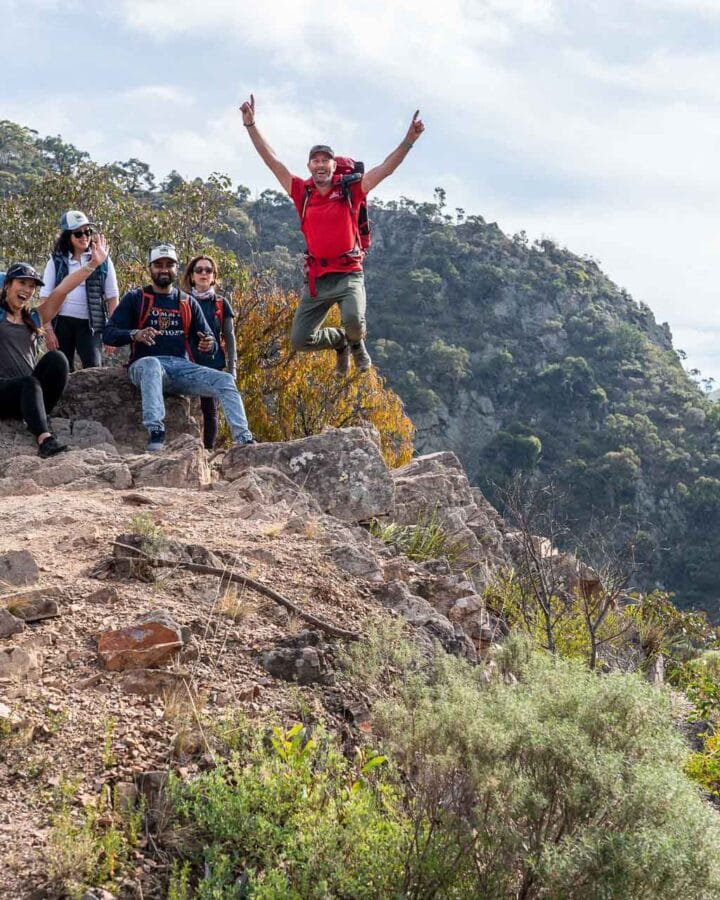
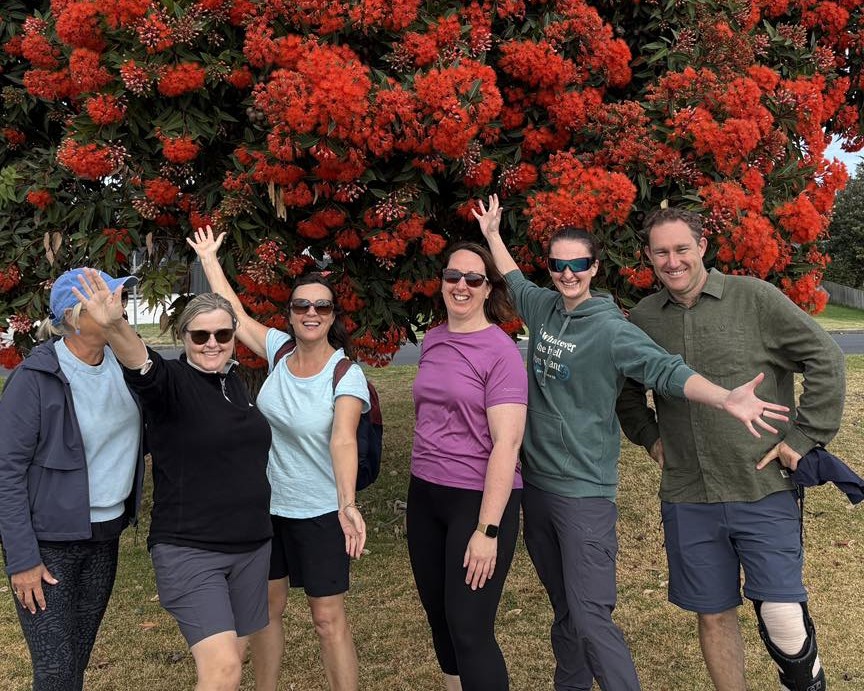
Anyone can bring people together. The challenge is making it meaningful.
Are you looking for connection that makes a real impact?
The equation to build meaningful connection
Get people out of their usual environment
Facilitating meaningful and real conversations
Include activities that promote positive behaviours
Make it fun
Connection with real impact
What we’re hearing
92%
of workers say it’s important to work for an organisation that values their emotional and psychological wellbeing.
Source: APA Work in America Survey 2023
57%
of organisations say disconnection between colleagues is their biggest hybrid work challenge.
200+ hrs
of time together is what it takes to build a close friendship. Real connection takes time. It can’t be forced.
Source: Hall, Journal of Social and Personal Relationships, 2018
It starts with building connection. Start with us. We’re listening, and we’ve created something that can help.
What we offer
Experiences that connect
You hold the relationships. We take care of everything else. We bring qualified guides, accessible routes, risk management, insurance, transport and food, and look after every participant on the day.
2 to 3 hours
Team Reset
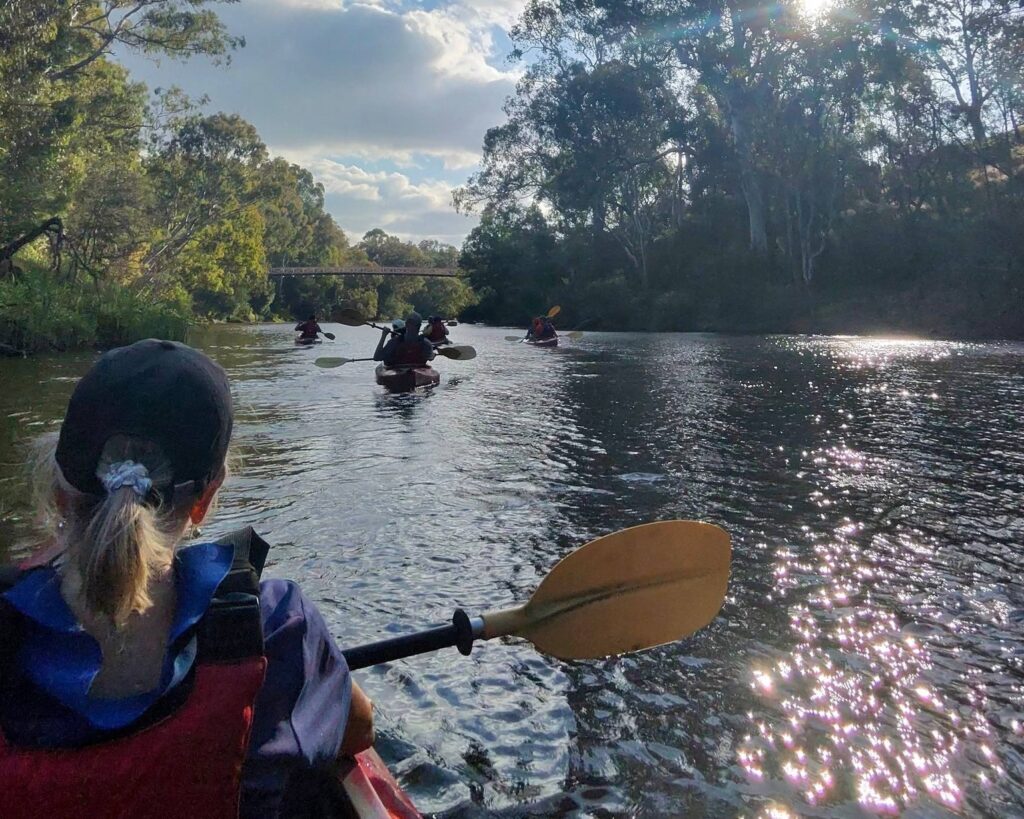
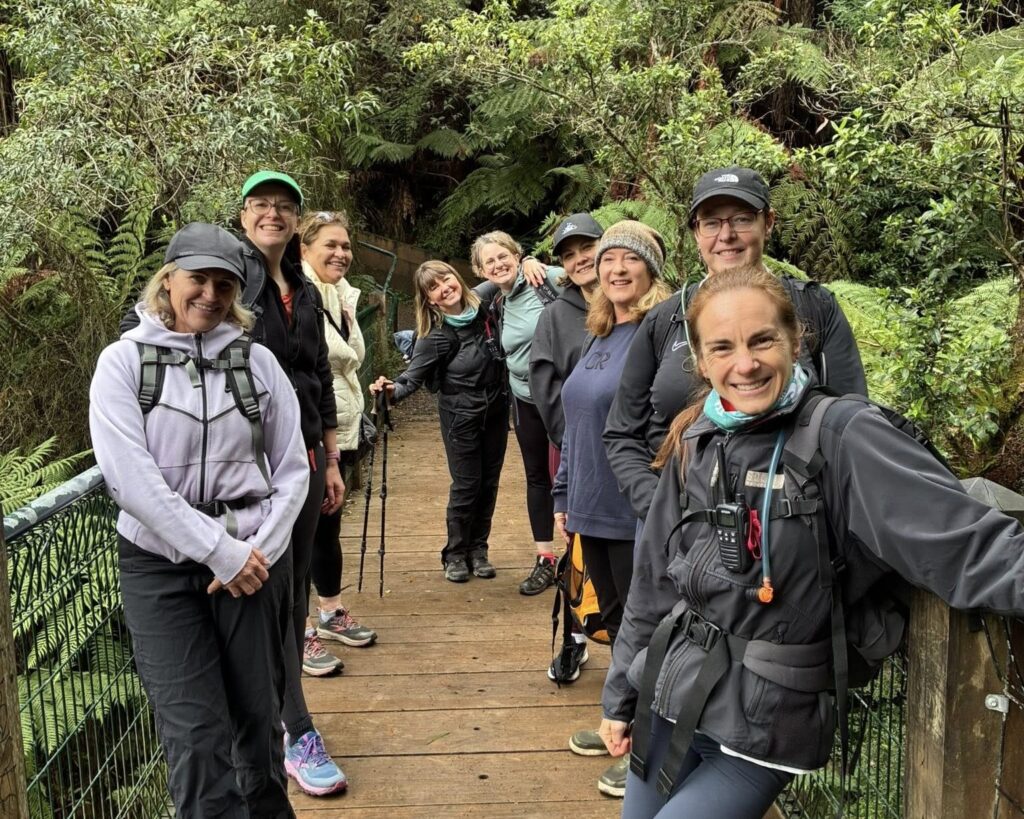
A guided walk or paddle with coffee or a picnic at the end. Minimal admin, maximum conversation.
Good for: a half day out of the office, a quarterly get-together, a Friday afternoon.
Half or full day
Team Day Out
Hike plus gourmet lunch, or paddle plus picnic. Guides, food and transport handled. Optional 30 minute connection session led by one of our facilitators.
Good for: the end-of-year day, the new team that hasn’t become one yet.
Full day
Adventure Team Day
Walking plus kayak, navigation or a shared challenge. Two guides. The day people still talk about in March.
Good for: teams who want a story, not a venue.
Very professional, extremely knowledgeable and well organised, plus the food was plentiful and healthy.Barry, Victoria Police Legacy
How it comes together
It’s easier than you’re imagining. You don’t need a plan, a spreadsheet, or a final headcount, just a rough idea and us.
Step 1
 Let us know what type of group you are. That’s all we need to start.
Step 2
 We come back with options and available dates
Step 3
 Once you confirm, we organise the rest
Curious but have questions?
How far ahead do we need to book?
Day trips: 4-6 weeks; weekends and retreats 8-16 weeks for the best dates. But just get in contact with us and we will always try to meet your timelines.
Do you run these Australia wide?
Yes, we offer locations across Victoria and beyond, and we’ll travel to where your group needs us. Nature changes the conditions and supports stress recovery and clearer thinking, wherever you are.
What if our group has really mixed fitness levels?
This is the number-one objection. We build around who shows up; no one left behind, no one held up.
How many people do we need?
There isn’t a strict minimum and maximum but the sweet spot is 6-12, scalable to 30+.
Can you cater for dietary needs, injuries or accessibility?
Yes absolutely, just tell us in advance.
How much does it cost / how is it priced?
From $180 per person, shaped by length, travel, food and group size. We’ll quote before you commit to anything.
What’s included?
This will depend on the package but we aim to provide everything so that you and your people just have to show up. This can be everything from guiding, planning, safety, food and transport.
Same terrain · Different purpose
Looking for something deeper for your team that builds real capacity?
Impact Adventures is built for growing businesses who need to function differently together, not just connect better. Every program is designed around your specific strategy and what your team needs to deliver it, with structured challenge, evidence-based facilitation, and measurement before and after so you can see exactly what changed.
Explore Impact AdventuresEnquire today!
Start with a rough idea. We’ll bring the plan. We usually reply within one business day.
Office hours: Mon-Fri 9am-5pm · Sat-Sun 10am-2pm
Group sweet spot: 6-12 people, scalable to 30+