

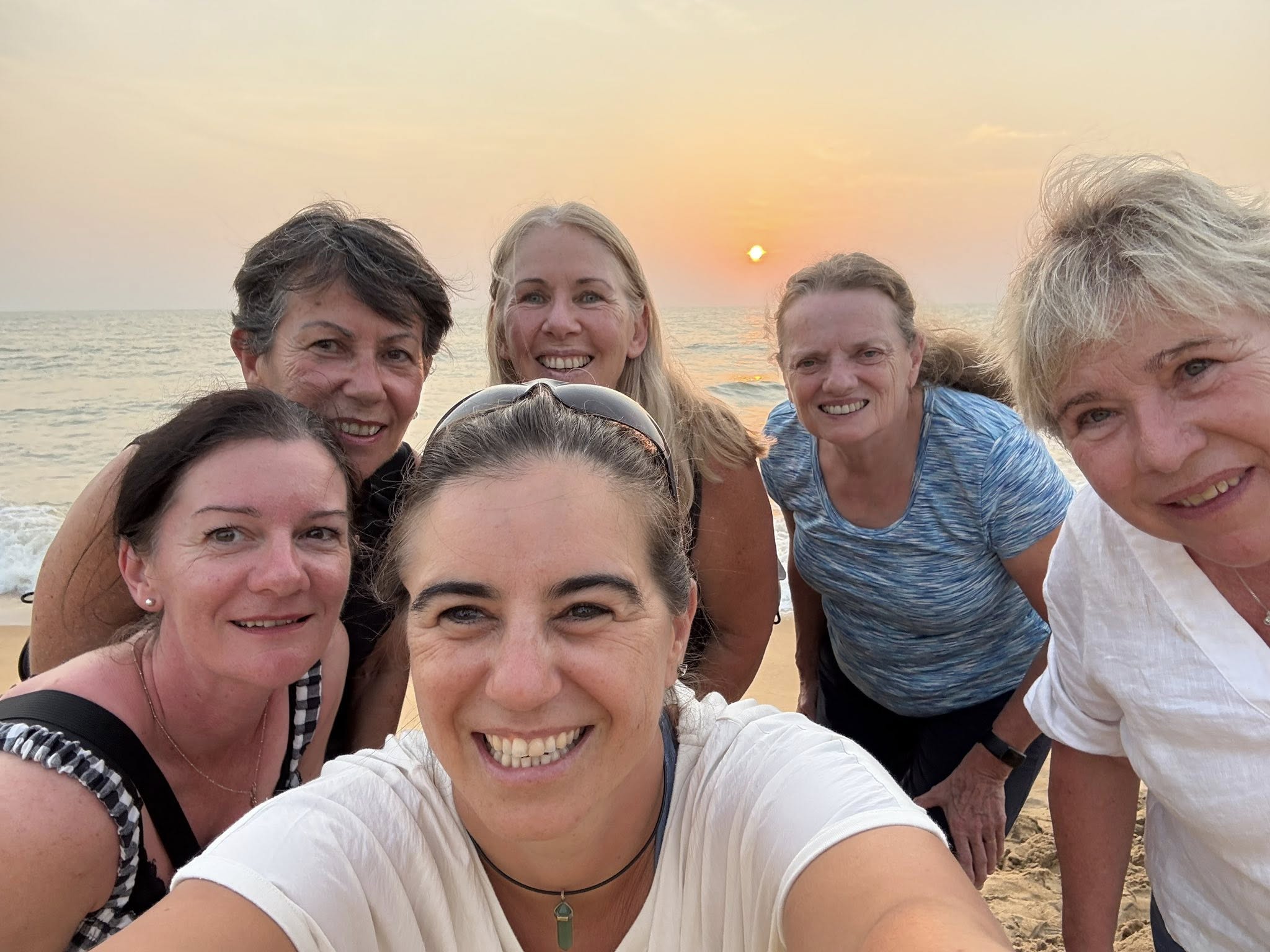
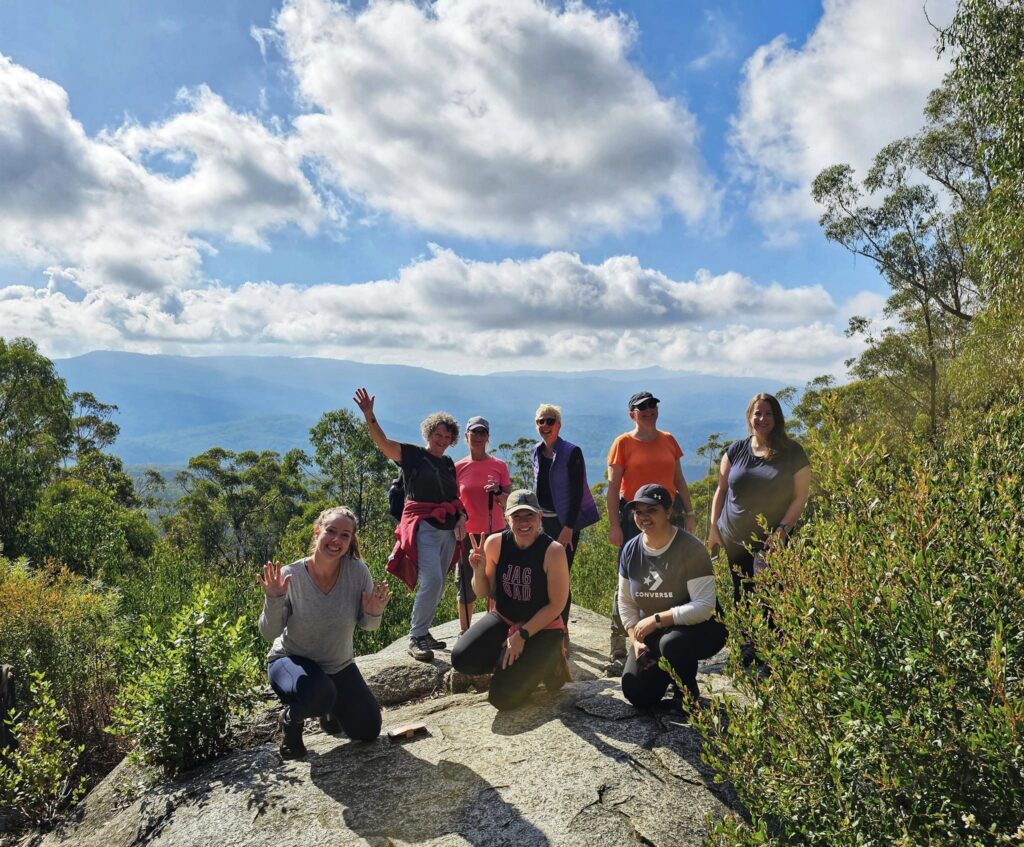
Yesterday I did something I almost never do. After a beautiful walk at Warramate Hills, I came home, had a shower, sat at my desk and opened my computer, fully intending to get stuck into an afternoon of work I’d promised myself I would do. Instead, I spent the rest of the day watching Netflix. We don’t even own a TV. I’m not a big TV person. My whole world is built around nature, movement, challenge, adventure and wellbeing. I literally teach this stuff. Yet there I was, horizontal, unproductive, and feeling increasingly guilty about it.
All day, my brain ran the same script, telling me I should be working, cleaning the kitchen, or at least finishing organising the cupboards I started. That nagging sense of I should be doing more humming away in the background. I talk about wellbeing for a living, so shouldn’t I know how to rest properly?
In between episodes, trips to the garden to check on my tomato plants, and a few deep sighs, it slowly crystallised in my mind. This wasn’t just a lazy Netflix day, this was my body and brain staging an intervention.
Talking about rest… without resting
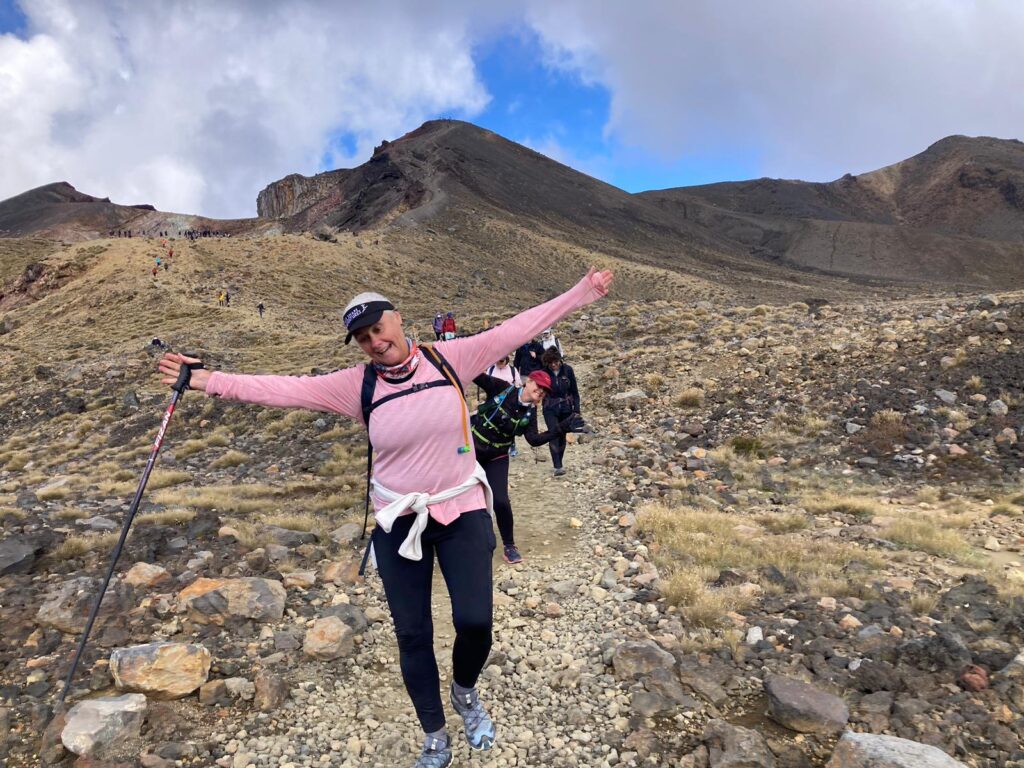
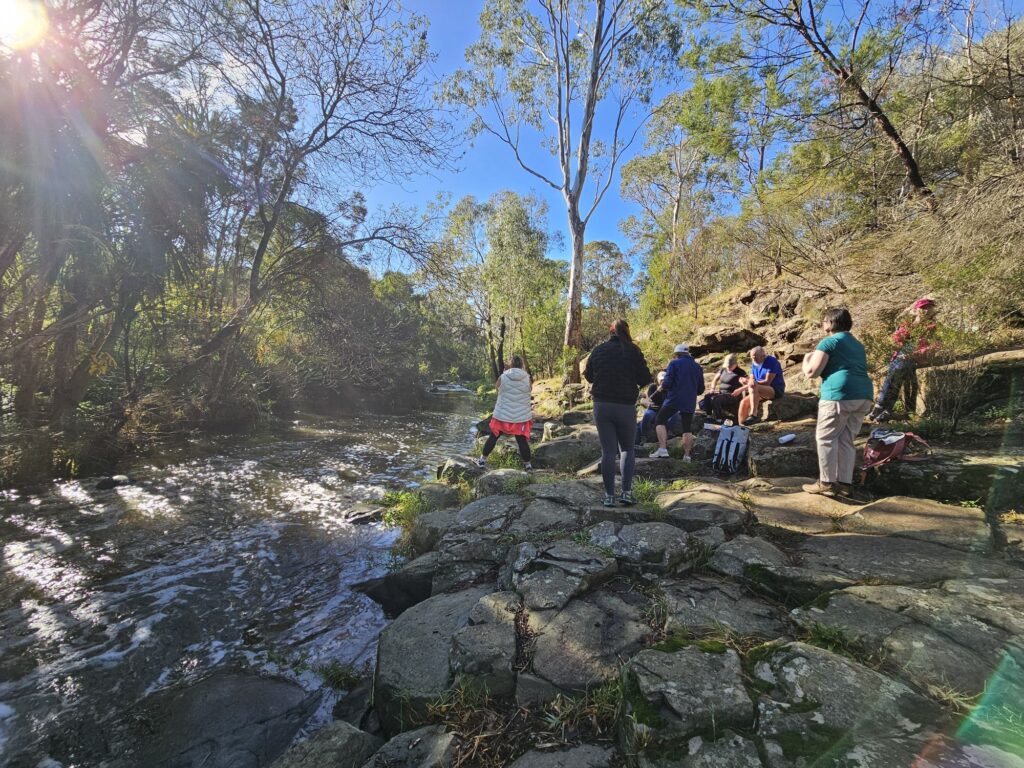
In my work I talk a lot about resting with purpose, not just collapsing at the point of exhaustion. Purposeful rest can look like a few different things for different people, depending on what they enjoy doing. Going for a walk because your mind needs space. Spending time in the garden to smell the plants and do something with your hands. Cleaning a cupboard because it genuinely feels satisfying, not because you’re chasing some invisible standard of productivity. Connecting with friends over a big dinner, a couple of wines, and real conversations.
In theory, I believe this deeply and know it works for me and many others. In practice, as I sat on the couch with Netflix rolling, I realised something uncomfortable – I hadn’t been giving myself that kind of rest at all. Yes, I was walking, getting into nature, and doing the whole wellbeing thing. But if I’m honest, over the last few weeks they carried a feeling of work, obligation or achievement. I kept going beyond my limit, telling myself I’ll be fine because it’s what I love, I can slow down next week, and I should be able to handle it.
There was no real pause, no softness, no deliberate space. So my system did what systems do when they’ve had enough, and it pulled the plug. Of course, when this happens, it’s never in a neat, scheduled way that is convenient for your life. It leaves you slowly blending into the couch with Netflix being your only company.
Not all rest is created equal
Last weekend made something abundantly clear to me. It showed me that there’s a big difference between purposeful rest and blob-burnout rest. Purposeful rest is something you choose before your body chooses for you and is regularly done to maintain your health. It aligns with what actually replenishes you and is done with zero guilt or justification from how hard you’ve worked in the past.
Blob-burnout rest is forced on you after you’ve exceeded your limits and fills you with guilt, shame and self-judgement. It often comes in the form of passive and numbing activities, like scrolling, binging, and zoning out. Think of it less like recovery and more like an emergency shutdown.
This almost goes without saying, but my Netflix day was a prime example of blob-burnout rest. Not because Netflix is bad, but because I’d ignored all the earlier, quieter invitations to stop. I tell other people all the time that they shouldn’t wait until they’re burnt out before they take a chance to rest. However, there I was, realising that’s exactly what I’d done.
This is the response that hit home for me
After I shared a bit of this online, a woman replied:
“I think women don’t easily give other women ‘permission’ to have down time. Everyone is so busy being ‘busy’. Now that I’m 65 and life is a slower pace but hectic with adorable little grandchildren, I need the downtime so that I’m in peak shape to fully engage and play with them. There was never a chance to rest properly when I was a young mum of three. Be your own best friend and nurture yourself when you can and make it a priority.”
Her words went straight to the heart of it. Many women are raised to be helpful and responsible, praised for coping, juggling, holding everything together, and quietly measured by how much they can manage. Without realising it, most women learn that rest is something you earn once everything is done – which, of course, it never is.
So, in the unending list of cupboards to organise, projects to finish, and messages to reply to, we learn to ignore our own red lights. We keep going until the only rest we allow ourselves is the collapsed, blob version. And then, later in life, as this 65-year-old grandmother shared, you finally get some space, but you still have to fight for downtime so you can be present with your grandkids. The pattern doesn’t magically untangle just because you move into a new stage of life.
I still love my messy life
You’ll have to forgive my contradiction here, but I do actually love being busy. I love my messy, full life. My days are crammed with adventures, ideas, hikes, people, study, wellbeing science, and little side-quests that probably weren’t necessary but bring me joy. Everything I’m learning about meaning and purpose is reminding me that it doesn’t always live in calm, quiet, perfectly balanced moments. It often lives in slightly chaotic car rides, laughter on a hill when everyone is puffing, and the feeling of being deeply engaged, even when life is full.
So this isn’t about abandoning a full life. I don’t want an empty calendar and beige days just to protect myself from ever feeling any stress. That’s not the point. What I’m trying to learn is how to find small moments of rest, honesty and alignment inside a very full, messy life… without losing the spark that makes it full. Maybe I’ll take a pause in the garden each afternoon, sip a slow cup of tea outside, or spend five minutes staring at the sky before opening the computer.
These tiny moments help me remind myself that I’m allowed to stop, not due to the fact that I’ve somehow earned rest through my other work, but because I’m a human who deserves it.
Do you use recovery to stay small?
The next layer of this conundrum is even less comfortable. As I dive deeper into wellbeing science, I’m realising there’s a difference between rest that supports growth, and “recovery” that keeps us small. Sometimes we truly need to stop, there’s no denying that. Sometimes, though, we’re not resting, we’re avoiding. We might tell ourselves we’re too tired, or we need to slow down and protect our energy. Whilst this is absolutely true some of the time, it hides a layer of fear. The fear of being seen, failing, or outgrowing who we’ve been.
Because this is confronting, we instead sit in a kind of in-between where we’re not fully resting, but not fully stretching either. Part of nurturing ourselves, I think, is being honest enough to ask: is this real exhaustion or is it fear? Am I resting to heal, or hesitating to stay safe? Is this downtime helping me live the life I want, or keeping me away from it?
This is not the time for us to judge ourselves; that just makes us avoid these questions more. This is our chance to wake up to our patterns with a little more kindness and a lot more awareness.
Ageing is a privilege
In contrast to what all the beauty companies want you to believe, ageing comes with gifts. One of them is perspective. As we get older, we get to look back and notice where we stayed safe, where perfectionism, judgement and comparison shaped our choices, where we pushed too hard, where we shrank back too quickly, where we were brave enough to be uncomfortable, and where we avoided the edge.
So yes, age is a privilege. It gives us data in the form of lived experience to work with. But the balance between claiming real rest, choosing challenge, and still leading a meaningful life doesn’t suddenly become neat. It stays beautifully, stubbornly messy. This is the actual work: not making it perfect, but catching ourselves when we haven’t rested with purpose, and being willing to course-correct without shame.
Have your own back, even on the couch
I keep coming back to that woman’s advice: Be your own best friend and nurture yourself when you can and make it a priority. Being our own best friend doesn’t mean we always get it right. Sometimes it looks like scheduling rest with purpose, like a walk, a nap, or a slow hour in the garden. Sometimes it looks like catching ourselves as we slide towards blob-burnout and gently putting the brakes on earlier. Sometimes it looks like a full-day Netflix crash. Remember to take this as a message and choose to listen.
Personally, my day on the couch flipped a switch in my mind. It was neither pretty nor inspirational, but the important thing is that it was honest. My body told me it was beyond its limit by having my nervous system pull the red cord. While I was wallowing in the guilt and tomato plants in the garden, I kept asking myself: How can I nurture myself in a way that lets me keep loving this full, messy life without burning out, shrinking or disappearing inside it?
To be transparent, I don’t have a perfect answer. However, I do have a renewed commitment to learning how to rest on purpose, loving the noise and chaos, and making space for women (including myself!) to have downtime without apology. No matter what, I will keep finding those small moments of breath and alignment, right in the middle of it all.
Thriving isn’t about living in permanent calm. All that does is keep us stagnant and small. It’s about learning to move between effort and ease, challenge and recovery, busy and still, while knowing that every part of the journey counts.