

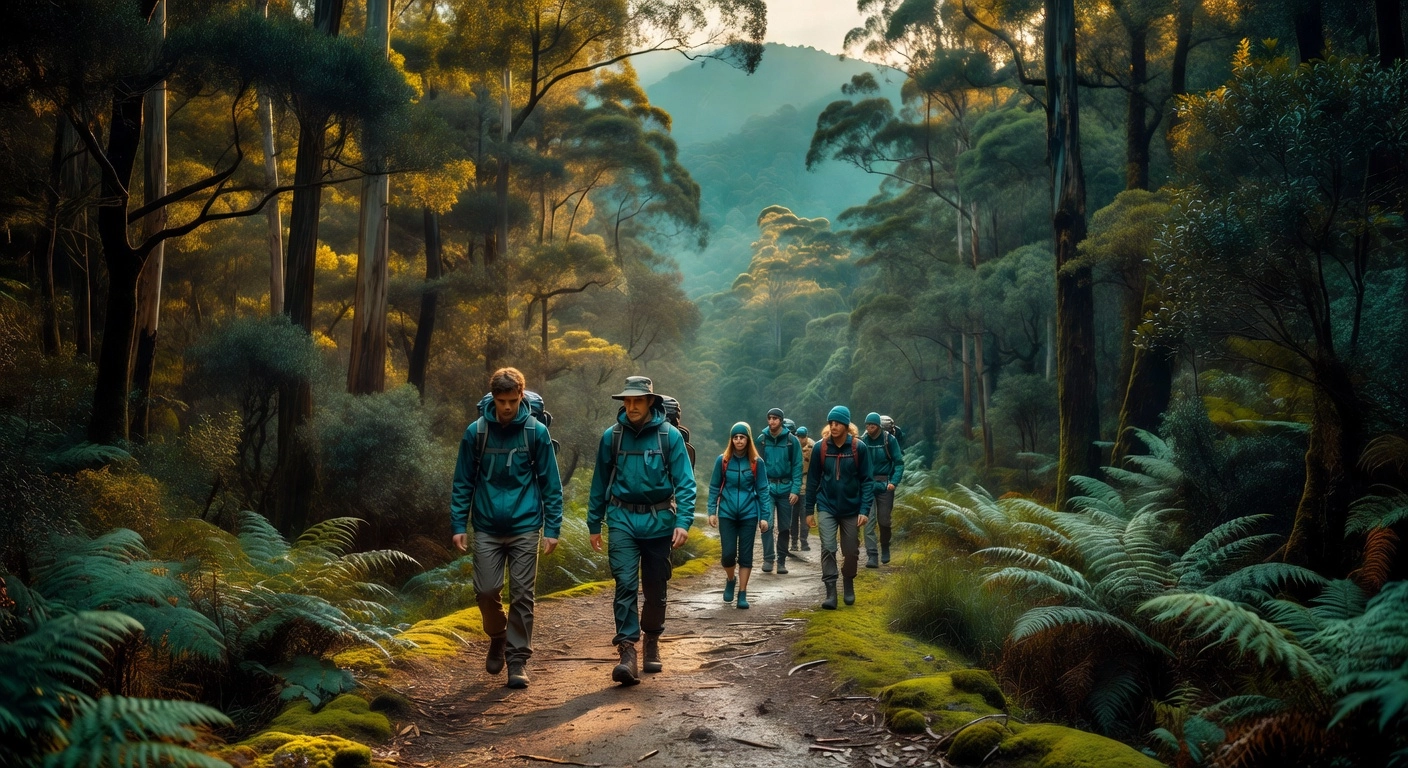
There is something truly magical about stepping into the Victorian bush. The crunch of leaves underfoot, the smell of eucalyptus in the air, and the feeling that you could be completely alone in nature, even when you are just an hour from the city. Whether you are lacing up your hiking boots for the very first time or simply looking for a new trail to explore on the weekend, Victoria has something incredible waiting for you.
The good news? You do not need to be an experienced hiker to enjoy it. From easy coastal strolls to gentle forest walks with breathtaking views, the best Victorian bush walks cover every skill level imaginable. And in this guide, we are going to walk you through our favourite picks so you can find the perfect trail for your fitness level and schedule.
So grab your water bottle, slap on some sunscreen, and get ready to discover why Victoria is one of Australia’s most underrated destinations for getting outdoors. Your next favourite walk might be closer than you think.
Why Victoria Is Australia’s Top Hiking Destination Right Now
If you’ve been wondering why everyone seems to be talking about Victorian bush walks lately, the numbers tell a pretty compelling story. According to AllTrails data reported by Time Out Melbourne, three of Australia’s top five trending hikes for 2025 are right here in Victoria. That’s more than any other state or territory, and it signals something real: Victoria has quietly become the nation’s premier walking destination, and hikers everywhere are starting to take notice.
The participation figures back this up in a big way. Bushwalking Victoria reports that over 937,035 Victorians hit the trails, representing a 16.1% participation rate that actually exceeds many traditional organised sports. Nationally, the picture is just as exciting. Bushwalking participation surged from 2.2 million to 3.7 million Australian adults in a single year, reflecting a genuine cultural shift toward nature-based wellbeing. People aren’t just going outside more; they’re actively choosing trails, fresh air, and forest over gyms and screens.
Part of what makes Victoria so special is the sheer variety packed into one state. You can walk coastal clifftops along the Great Ocean Road in the morning and be surrounded by ancient cool-temperate rainforest in the Otways by afternoon. Head further afield and you’ll find dramatic alpine ridgelines in the High Country and the iconic granite headlands of Wilsons Promontory. Very few places on Earth offer that kind of landscape diversity within such easy reach of a major city.
Post-pandemic wellness trends have only accelerated all of this. More people are recognising that getting outdoors is genuinely good for both body and mind, and Victoria is perfectly positioned to deliver. Whether you’re a Melbourne local looking for a rewarding weekend day hike or an adventurer chasing a bucket-list multi-day trail experience, this state has something waiting for you.
Dandenong Ranges: Ancient Forests on Melbourne’s Doorstep
Just under an hour from Melbourne’s CBD, the Dandenong Ranges offer something genuinely special: a forest so tall and green it feels like stepping into another world entirely. The Sherbrooke Forest Circuit winds through towering mountain ash and dense fern gullies that make you forget the city exists. At around 7 to 8 km with minimal elevation gain, this is one of those rare walks that delivers a big experience without demanding a big fitness base. If you’re new to hiking, returning after a long break, or bringing kids along, this trail is genuinely manageable and genuinely rewarding.
The birdlife here is the kind of thing people talk about for weeks afterwards. Lyrebirds are commonly heard throughout autumn and winter, their mimicry echoing through the forest in a way that stops you in your tracks. Catch a quiet weekday morning after rainfall and there’s a solid chance you’ll spot one foraging on the forest floor. Crimson rosellas and wallabies round out the wildlife experience beautifully.
One practical tip worth taking seriously: arrive early, especially on weekends. Parking at Sherbrooke Picnic Ground fills fast during school holidays and long weekends, so weekday mornings are your best bet for a peaceful experience.
If you want to extend your day, the nearby Kokoda Track Memorial Walk adds a moving heritage dimension. This 3 km climb through rainforest commemorates Australian soldiers from the WWII Kokoda Campaign, with interpretive signage throughout. Combined with Sherbrooke Forest, it makes for a rich and memorable full day in the Dandenong Ranges National Park.
Grampians National Park: Sandstone Peaks and Panoramic Views
If the Dandenong Ranges are Victoria’s accessible escape, the Grampians turn the dial up considerably for those ready to take their hiking to the next level. The Wonderland Loop is consistently ranked among the state’s most rewarding day hikes, threading together three distinct highlights into a single 9 km circuit. You’ll move through the Grand Canyon gorge section, a narrow sandstone corridor that feels almost otherworldly, before climbing to the Pinnacle lookout for sweeping views across the Grampians valley. Sundial Peak adds another layer of drama to an already spectacular route.
The elevation gain sits at around 350 metres, which is enough to get your heart rate up and your legs working without crossing into technical territory. You don’t need climbing experience or specialist gear; just sturdy footwear, plenty of water, and a reasonable level of base fitness will see you through. Most walkers complete the circuit in three to five hours, making it a very manageable day hike.
What makes this walk particularly meaningful is the country it moves through. The Grampians region, known as Gariwerd to Traditional Owners, sits on Djab wurrung and Jardwadjali Country. The national park holds the largest assemblage of Aboriginal rock art in Victoria, and taking time to engage with that cultural depth genuinely enriches the experience beyond the scenery alone.
Spring is the sweet spot for visiting. Wildflowers carpet the valley floors from September through November, and waterfalls run strongly after winter rainfall. The township of Halls Gap sits right at the trailhead, offering accommodation, cafes, and easy trip planning. Melbourne is roughly three hours by car, making this a natural choice for a weekend adventure.
Great Ocean Road and the Otways: Coastal Drama Meets Rainforest Calm
The Great Ocean Road region delivers something genuinely different from the walks covered earlier in this guide. Where the Grampians give you open ridgelines and big sky views, the Otways pull you into cool, dripping rainforest that feels like it belongs to a completely different planet.
Start with Mait’s Rest in Great Otway National Park, widely regarded as one of Victoria’s finest short rainforest walks. The 800-metre boardwalk loop takes around 30 minutes and winds through ancient myrtle beech and blackwood forest, past tree ferns and moss-carpeted floors. Some of the beech trees here are estimated to be over 300 years old. It suits all fitness levels and ages, making it a genuinely stress-free first walk for beginners.
One practical tip worth knowing: the Otways’ cool, damp microclimate makes this trail a smart choice on hot summer days when exposed coastal walks become genuinely uncomfortable. When the Great Ocean Road lookouts are baking, Mait’s Rest stays shaded and refreshing.
From there, consider adding Cora Lynn Cascades and Hopetoun Falls to your day. Both are achievable together as a relaxed half-day combo, each offering beautiful waterfall views through dense fern-filled forest.
For something quieter, the Cape Patton and Skenes Creek to Kennett River coastal sections deliver dramatic cliff-top ocean views with far fewer visitors than the more famous stretches nearby. Koala sightings around Kennett River are a genuine bonus.
Finally, this entire region overlaps with the Great Ocean Walk, a 100-plus kilometre multi-day route. Even a short day section gives beginners a real feel for what longer trail adventures involve, which is a great way to gauge whether you’re ready for something bigger.
Mornington Peninsula: Easy Trails with Big Bay Views
If you’re just starting out with Victorian bush walks, the Mornington Peninsula might be your perfect entry point. Sitting roughly 60 to 90 minutes south of Melbourne, it packs an impressive variety of accessible trails into one easily reachable destination. Families, beginners, and weekend walkers all feel right at home here, with options ranging from gentle boardwalks to longer sectional routes through coastal scrub and eucalypt forest.
The Two Bays Walking Track is the peninsula’s headline trail, stretching approximately 26 to 28 km from Dromana on Port Phillip Bay down to Cape Schanck on the Southern Ocean. The beauty of this track for beginners is that you don’t have to do it all at once. Breaking it into shorter day sections lets you explore heathland, fern gullies, ancient grasstrees, and coastal scrub at your own pace, with wildlife sightings like kangaroos and echidnas thrown in as a bonus.
For a quick win with serious scenic payoff, the Cape Schanck Boardwalk is hard to beat. This short, easy walk leads to a beautifully preserved historic lighthouse perched on dramatic basalt headlands, with the Southern Ocean crashing below. Most people complete it comfortably in under an hour, making it ideal if you’re new to the outdoors or exploring with kids.
Point Nepean National Park at the peninsula’s western tip adds a fascinating historical layer to your walking. Trails through Fort Nepean and the Artillery Range weave past tunnels, gun emplacements, and ocean lookouts with sweeping views across Bass Strait.
For the best experience, visit during spring or autumn when temperatures are mild and conditions are calm. The peninsula welcomes walkers year-round, making it a genuinely flexible destination whenever the urge to get outside strikes.
Wilsons Promontory: Victoria’s Wildest Southern Tip
Known affectionately as “the Prom,” Wilsons Promontory National Park is the kind of place that genuinely earns its reputation. Sitting at the southernmost tip of mainland Australia on Brataualung Country, it combines dramatic granite landscapes, pristine beaches, temperate rainforests, and some of the best wildlife encounters in Victoria. The remarkable thing is that all of this sits roughly three hours from Melbourne, yet the wilderness feeling is unlike anything else in the state. It regularly tops best Victorian bush walks lists, and once you visit, that makes complete sense.
For beginners, the walks at Wilsons Promontory offer an ideal introduction. The Squeaky Beach and Picnic Bay loop covers approximately 5 km and is one of the most beloved accessible day walks in Victoria. The trail moves between coastal tracks and beach walking, delivering views of iconic white quartz sand beaches and enormous granite boulders. The sand here literally squeaks underfoot, which sounds gimmicky until it actually happens.
The Lilly Pilly Gully Nature Walk is another excellent option, offering a 5 km circuit through coastal heathland and eucalypt forest. Wombats, wallabies, kangaroos, and a wonderful variety of birdlife make regular appearances, so keep your eyes open and your pace relaxed.
One practical note: during peak periods, particularly January through March and Easter, the park enforces vehicle caps of around 800 vehicles per day. Book your entry through Parks Victoria well in advance, arrive early, and consider visiting on a weekday if your schedule allows. Shoulder seasons like autumn offer quieter trails and excellent wildlife viewing conditions.
Great Ocean Walk: 100 Kilometres of Coastal Wilderness
If you’re ready to commit to a true multi-day adventure, the Great Ocean Walk deserves a serious spot on your bucket list. Stretching approximately 100 to 104 kilometres from Apollo Bay to the Twelve Apostles, this one-way trail typically takes seven to eight days to complete and consistently ranks among the finest long-distance coastal walks in the entire country. What makes it so special is the sheer variety packed into every day on trail.
The scenery shifts constantly as you walk west. You’ll pass towering sea cliffs with nothing but open Southern Ocean below, stumble onto remote beaches that can only be reached on foot, and wander through cool pockets of old-growth rainforest filled with mountain ash and fern gullies. The finish at the Twelve Apostles delivers a view most tourists only ever see from a car park. Walking in from the trail gives you a completely different perspective on those iconic limestone stacks, and it genuinely feels earned.
For self-guided walkers, a bit of planning ahead goes a long way. Parks Victoria operates seven hike-in campsites along the route, and these fill up quickly, particularly during autumn, spring, and school holidays. Booking well in advance through the Parks Victoria system is essential. You’ll also need to arrange vehicle transfers since the trail runs one way, and carrying enough food and water for the more remote stretches is non-negotiable.
If the logistics feel overwhelming, guided options like those offered by Take Shape Adventures take that pressure off completely. Transfers, gear support, meals, and experienced local guides are all included, so you can focus entirely on the walking itself. It’s a genuinely brilliant setup for beginners.
The Great Ocean Walk asks for reasonable fitness rather than technical skill. There’s no alpine navigation, no exposed scrambling, just beautiful and achievable coastal wilderness walking that builds your confidence with every kilometre.
Grampians Peaks Trail: A 13-Day Wilderness Journey
If the Great Ocean Walk is Victoria’s coastal epic, the Grampians Peaks Trail is its mountain counterpart, and it’s in a league of its own. Stretching approximately 164 kilometres across the full length of the Grampians (Gariwerd) National Park, this trail typically takes around 13 days to complete, making it one of Australia’s most ambitious multi-day hiking experiences. It’s a trail that demands genuine commitment, solid fitness, and solid planning, but rewards every bit of effort with some of the most spectacular scenery in the country.
One of the trail’s clever design features is its difficulty gradient. The southern sections ease you into the experience with more manageable terrain before the route progressively builds into more exposed, technical ridgeline walking in the central and northern sections. Think of it as a trail that teaches you as you go, getting harder and more dramatic as you push further into the range.
The highlights along the way are genuinely breathtaking. The Pinnacle, Major Mitchell Plateau, and the Mount William summit (Duwul, the park’s highest point at around 1,167 metres) are among the standout moments, with panoramic views stretching across the Wimmera plains to the east and pastoral country rolling away to the west.
Here’s the good news for beginners: you don’t need to tackle all 13 days at once. The trail is designed to be explored in shorter segments of one to three days, making it ideal for building experience gradually and returning for more over multiple visits.
Hut-to-hut accommodation is also available along sections of the trail, with purpose-built hiker huts featuring bunk-style sleeping, shared facilities, and timber platforms at campgrounds throughout. This significantly reduces the gear load for walkers who prefer a supported but still genuinely challenging experience.
Wilsons Prom Southern Circuit: Remote Beaches and Granite Wilderness
If you’ve already fallen for the Prom after reading the earlier section, the Southern Circuit takes everything that makes Wilsons Promontory special and turns the dial up to maximum. This is a three to five day loop covering the most remote southern sections of the park, reaching places that simply cannot be accessed by road. That includes the historic lighthouse cottages at the Wilsons Prom Lightstation and a string of wilderness beaches so untouched they feel like a different era entirely. Starting from Telegraph Saddle near Tidal River, the circuit covers approximately 60 kilometres of genuinely varied terrain, making it one of the most rewarding multi-day experiences in Victoria.
The campsites alone are worth the effort. Roaring Meg, Little Waterloo Bay, and Refuge Cove are consistently ranked among the most beautiful wilderness camping locations in the state. Picture isolated bays framed by granite boulders, with dense bush at your back and the Southern Ocean stretching out ahead. Facilities are deliberately minimal, drop toilets and water tanks, which is exactly the point. This is remote camping at its finest, and waking up with no other sound except the bush and the surf is something that genuinely stays with you.
Wildlife sightings along the trail are frequent and close. Wombats, swamp wallabies, and echidnas are all commonly spotted, particularly during early morning and evening hours when they’re most active. Many hikers report wombats wandering casually through camp at dusk, completely unbothered by human presence.
The circuit suits intermediate hikers who have prior overnight camping experience. Terrain ranges from moderate to occasionally challenging, with rocky creek crossings and some meaningful elevation. Bookings through Parks Victoria are mandatory and genuinely competitive; popular sites sell out months ahead, particularly over summer and Easter. Book as early as possible and check current trail conditions before you go, as some sections may be subject to closures or detours.
Alpine Routes: Razorback Ridge and Mount Feathertop
If you’ve worked your way through the other walks on this list and you’re hungry for something that genuinely tests your limits, the Razorback Ridge to Mount Feathertop is in a category of its own. Widely regarded as one of Victoria’s most spectacular and demanding alpine experiences, this route follows an exposed ridgeline through the Alpine National Park to Victoria’s second highest peak at 1,922 metres. Mount Feathertop has earned the nickname “Queen of the Victorian Alps” for good reason; the panoramic views across alpine meadows, snow gums, and distant peaks are genuinely breathtaking on a clear day.
The numbers alone give you a sense of what’s involved. The out-and-back route from Diamantina Hut covers approximately 22 kilometres with around 1,200 metres of elevation gain, typically taking anywhere from seven to nine hours. Most people tackle it as a very long day walk, though splitting it into an overnight stay near Federation Hut is a popular and sensible option.
One thing that catches many people off guard is how quickly conditions change in the alpine zone. Snow can fall in any month at higher elevations, and the exposed ridgeline offers almost no shelter from wind or sudden storms. Navigation skills, layered clothing, sturdy boots, and mountain-specific gear including a personal locator beacon are non-negotiable here.
This trail is best suited to experienced or very fit intermediate hikers, not beginners. Late spring and autumn generally deliver the clearest summit conditions, while summer afternoons bring frequent thunderstorms (an early start is essential). Winter access may require snowshoes or crampons depending on snowpack depth.
How to Choose the Right Victorian Bush Walk for You
With so many incredible options across the state, narrowing down which Victorian bush walk is right for you comes down to five practical factors. Work through each one and the decision gets surprisingly straightforward.
Start with your fitness level. This is the most honest filter to apply first. If you’re new to hiking, aim for walks under 10 km with less than 300 metres of elevation gain. Trails like Mait’s Rest, Squeaky Beach, and the Cape Schanck circuit fit this profile perfectly, offering genuine rewards without overwhelming your legs or lungs. Intermediate walkers can comfortably stretch into the 10 to 20 km range, including full-day circuits and multi-day trails with established campsite infrastructure. Advanced hikers ready for alpine routes, remote circuits, and serious elevation can look at options like Razorback Ridge or the full Grampians Peaks Trail.
Think honestly about how far you want to travel. The Dandenong Ranges and Mornington Peninsula sit within an hour or two of Melbourne, making them natural day-trip destinations. The Grampians and Wilsons Prom reward a proper weekend away. The Great Ocean Walk and alpine routes need at least three to seven days to do them justice, including travel time.
Consider whether you want to go solo or with a group. For beginners especially, guided small-group experiences offer something that trail apps simply cannot replicate: real-time navigation support, safety confidence, local knowledge, and genuine social connection on the trail.
Let your available time make the call when needed. A two-hour window suits Mait’s Rest or Squeaky Beach beautifully. A full day opens up the Wonderland Loop or Sherbrooke Circuit. A week or more unlocks the Great Ocean Walk or Grampians Peaks Trail.
Finally, think about what landscape actually excites you. Coastal drama pulls you toward the Great Ocean Road and Wilsons Prom. Forest immersion belongs in the Otways or Dandenongs. If big panoramic views are your motivation, the Grampians and alpine areas are where you belong.
Best Seasons for Bushwalking in Victoria
Timing your walk well can make an enormous difference to your experience, so it’s worth thinking through the seasons before you commit to a trail.
Autumn (March to May) is widely regarded as the sweet spot for Victorian bush walks. Temperatures are mild, weather patterns tend to be more settled than summer, and the golden light filtering through eucalypts and cool-climate forests is genuinely stunning. Crowds thin out compared to the peak summer school holiday rush, and trail conditions across coastal, rainforest, and inland regions are generally at their best. If you’re only going to pick one season to prioritise, make it autumn.
Spring (September to November) runs autumn a close second and brings its own rewards. The Grampians absolutely burst with wildflowers, the Otways waterfalls run strong, and coastal walks feel comfortable without the summer heat. One caveat for beginners: alpine and higher-elevation trails can be muddy and slippery after spring rains, so check conditions before heading up.
Summer (December to February) opens up the alpine and high-country routes once the snow melts, making it the season for walks like Razorback Ridge and the Victorian Alps. That said, coastal and rainforest walks can feel punishing on hot days, so start early, carry plenty of water, and keep a close eye on fire danger ratings through VicEmergency before you go.
Winter (June to August) closes higher alpine routes for casual walkers, but the Otways, Dandenongs, and Mornington Peninsula come into their own. Fewer crowds, dramatic skies, and lush green forest make winter walking quietly wonderful for those who dress in layers and embrace the conditions.
A few trail-specific notes worth keeping in mind: the Great Ocean Walk is enjoyable year-round but can be seriously windy in winter; the Grampians gets hot and exposed in summer, making spring and autumn the better bets; and Wilsons Prom gets busy during school holidays no matter the season, so booking campsites well ahead is essential whenever you visit.
Why More Victorians Are Choosing Guided Bush Walks
There’s a quiet shift happening across Victoria’s trail networks, and it goes beyond simply more people lacing up their boots. An increasing number of walkers, particularly beginners and those returning to the outdoors after a long break, are choosing guided experiences over heading out alone. The reasons are straightforward and worth understanding.
For many first-timers, the anxiety around getting lost, packing the wrong gear, or misjudging a trail’s difficulty is enough to keep them on the couch. Guided walks remove that mental load entirely. Your guide handles navigation, pacing, and safety considerations, which means you get to actually look up from the track and take in the forest, the ridgelines, or the coastal views you came to see. That shift from logistics to experience is genuinely transformative for newcomers.
The social side of guided walks is equally compelling. Research consistently links social connection to the mental health benefits of outdoor recreation, and small-group hiking delivers that in spades. There’s something about shared effort and a good trail that gets people talking in ways that wouldn’t happen at a dinner party. Those connections often outlast the walk itself, which is why operators who build genuine community around their programs tend to develop loyal, returning participants.
Wellness-integrated experiences represent one of the most exciting developments in this space. Programs that combine mindful hiking with post-walk yoga, breathwork, or nature-based recovery offer something self-guided walking rarely achieves: structured, deliberate stress reduction alongside physical movement. For time-poor adults dealing with high-pressure lives, that combination is genuinely powerful.
Take Shape Adventures sits right at the centre of this shift. Their guided Victorian day hikes and multi-day experiences are designed specifically for beginner to intermediate hikers, with expert local guides, intentionally small groups, and a community membership program that keeps the connection alive between walks.
For those who want adventure without any planning overhead at all, supported tour formats are growing fast. Vehicle transfers, comfortable lodge accommodation, and catered meals mean you can tackle iconic trails without spreadsheets, logistics calls, or a garage full of gear research.
The Wellbeing Benefits of Getting Into Victoria’s Bush
The case for getting outside goes well beyond fresh air and a change of scenery. Peer-reviewed research consistently links time in nature with measurable reductions in cortisol levels, lower blood pressure, improved mood, and decreased symptoms of anxiety and depression. What’s striking is how quickly these effects kick in: studies from the University of Michigan found that just 20 to 30 minutes of sitting or walking in a natural setting produced the largest drops in salivary cortisol. You don’t need a full-day expedition to start feeling the difference.
Forest bathing, known in Japanese as shinrin-yoku, takes this a step further by turning a walk into a slow, intentional sensory experience. Rather than focusing on distance or pace, forest bathing invites you to notice the light through the canopy, the smell of damp earth, the sound of water nearby. Walks like the Sherbrooke Forest Circuit and Mait’s Rest Rainforest Walk are almost purpose-built for this approach. Their shaded, immersive environments naturally slow you down and create the conditions where wellbeing benefits genuinely accumulate.
The physical gains are just as real. Regular hiking builds cardiovascular fitness, strengthens lower-body muscles, and improves balance and coordination over time. Because trails vary in surface and gradient, the body adapts in ways that flat gym-based training simply doesn’t replicate, and it does so without the repetitive strain that often comes with indoor workouts.
There’s also a broader cultural shift at play. With over 937,000 Victorians now bushwalking regularly, trail time is increasingly seen as a genuine counterbalance to screen-heavy, sedentary urban life. Disconnecting from devices and reconnecting with the natural world has become a deliberate wellbeing choice for many walkers.
For those wanting to go deeper, Take Shape Adventures’ yoga, hiking, and wellness retreats combine guided walks with daily yoga, meditation, and mindfulness practices across multi-day experiences. It’s an ideal step for anyone who has loved a single day walk and wants to feel those benefits compound over time.
Essential Tips Before You Hit the Trail in Victoria
Before you set foot on any of Victoria’s trails, a little preparation goes a long way toward making your experience genuinely enjoyable rather than a lesson learned the hard way. Here are five practical tips every beginner should know before heading out.
Sort your footwear first. For most Victorian day walks on well-maintained tracks, trail runners or lightweight hiking boots with solid grip are more than adequate. Heavy mountaineering boots are unnecessary and can actually cause more fatigue on shorter trails. That said, waterproof uppers are genuinely worth the investment if you’re planning to walk in the Otways during cooler months or head into alpine terrain, where mud, rain, and even snow can appear without much warning. Whatever you choose, break them in on shorter walks around home before committing to a full day out.
Take water more seriously than you think you need to. A reliable rule of thumb is at least one litre per two hours of hiking in mild conditions, and significantly more during summer when Victorian temperatures can climb quickly. Before your walk, check whether the specific trail has reliable natural water sources, because streams and water tanks can be seasonal or simply unreliable. Carrying your own supply is always the safer bet.
Download your maps before you leave home. Mobile coverage disappears quickly in most Victorian national parks once you move away from visitor centres. Apps like AllTrails or Gaia GPS both allow you to download trail maps for offline use, which means you can navigate confidently even without signal. This single step prevents more confusion on trail than almost anything else.
Practise Leave No Trace from day one. Pack out everything you bring in, including food scraps, fruit peel, and any packaging. Stay on marked paths to protect the fragile vegetation that lines many Victorian trails. Campfire rules also vary significantly between parks and seasons, so check current regulations via Parks Victoria before assuming a fire is permitted.
Book overnight permits well in advance. If you’re planning any of the multi-day walks covered earlier in this guide, including Wilsons Promontory, the Grampians Peaks Trail, or the Great Ocean Walk, you’ll need permits and campsite bookings through Parks Victoria. Spots fill quickly during peak seasons, and turning up without a booking can mean fines or simply having nowhere to sleep.
Ready to Explore Victoria’s Best Bush Walks
Victoria’s trail network is genuinely extraordinary, stretching from easy morning loops in the Dandenong Ranges to 13-day wilderness epics through the Grampians. Whether you have two hours or two weeks, whether you prefer rainforest fern gullies, rugged alpine ridges, or dramatic coastal cliffs, there is a walk here with your name on it. Fitness level and experience matter far less than you might think, because the right trail exists for every starting point.
If you’re ready to take that next step, especially into multi-day territory, guided experiences through Take Shape Adventures offer the perfect combination of expert support, great company, and zero logistical stress. Their small-group Victorian hikes are designed for real people at all fitness levels, with qualified guides who genuinely care about your experience. For ongoing adventure motivation and community, their membership program gives you regular hikes, discounts, and a crew of like-minded people to explore with.
The most important thing? Just get out there. The best Victorian bush walk is simply the one you actually do.
Conclusion
Victoria’s bush walks truly do have something for everyone. Whether you are just starting out or looking to push your limits, the trails are waiting. The key takeaways are simple: you do not need special experience to get started, stunning nature is never far from the city, and every walk offers something unique worth discovering. Most importantly, the best time to hit the trail is now.
So pick a walk that matches your fitness level, pack the essentials, and get outside this weekend. Share your adventure with a friend, bring the family along, or head out solo for some well-earned quiet time. Victoria’s bush is one of Australia’s greatest natural treasures, and it deserves to be explored. Your next favourite memory could be just one trail away. Lace up and go find it.