

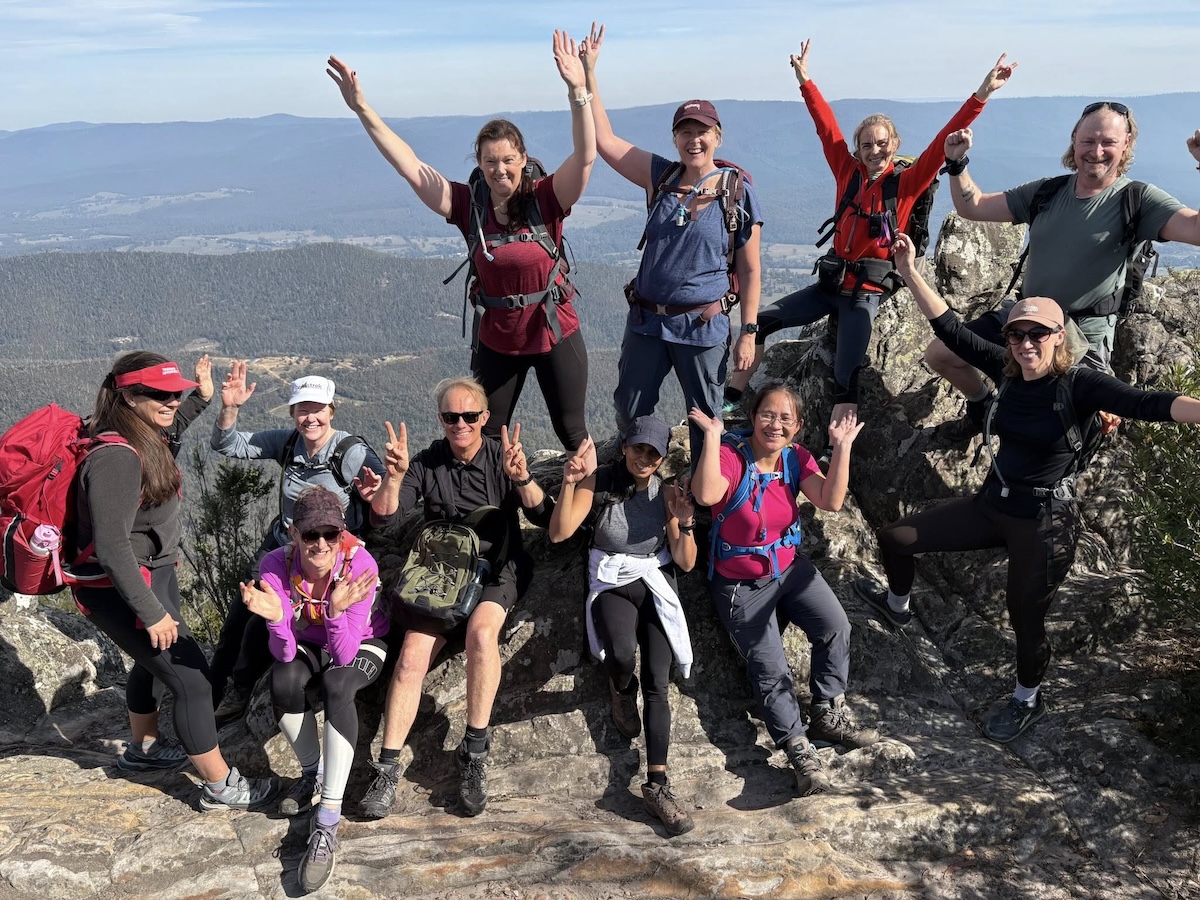
Sometimes life falls apart. Something big could happen to you, like a loss, illness, an ended relationship, or a change in work or identity. But other times, it just quietly changes bit by bit until you realise you’re no longer on the path you want to be on. To be more accurate, the changes are small on paper but feel big in your body, like going through menopause, kids leaving home, or that nagging sense that you’re feeling just… okay.
These aren’t the big dramatic moments that knock us sideways, but the effect on our bodies and our response to them are the same: we shrink our life to stay safe. We do less of what once felt like us. We cancel plans or stop initiating them altogether. We tell ourselves we’ll join in when we feel better, even though feeling better often doesn’t arrive on its own. We’re not lazy or failing at life because this is a response specifically wired into our brains. It’s the body’s way of trying to keep things stable by avoiding anything that feels uncertain.
One of the most common things people say when they’re feeling this is, “I know it would probably help, but I just don’t feel up to it.” And that makes complete sense.
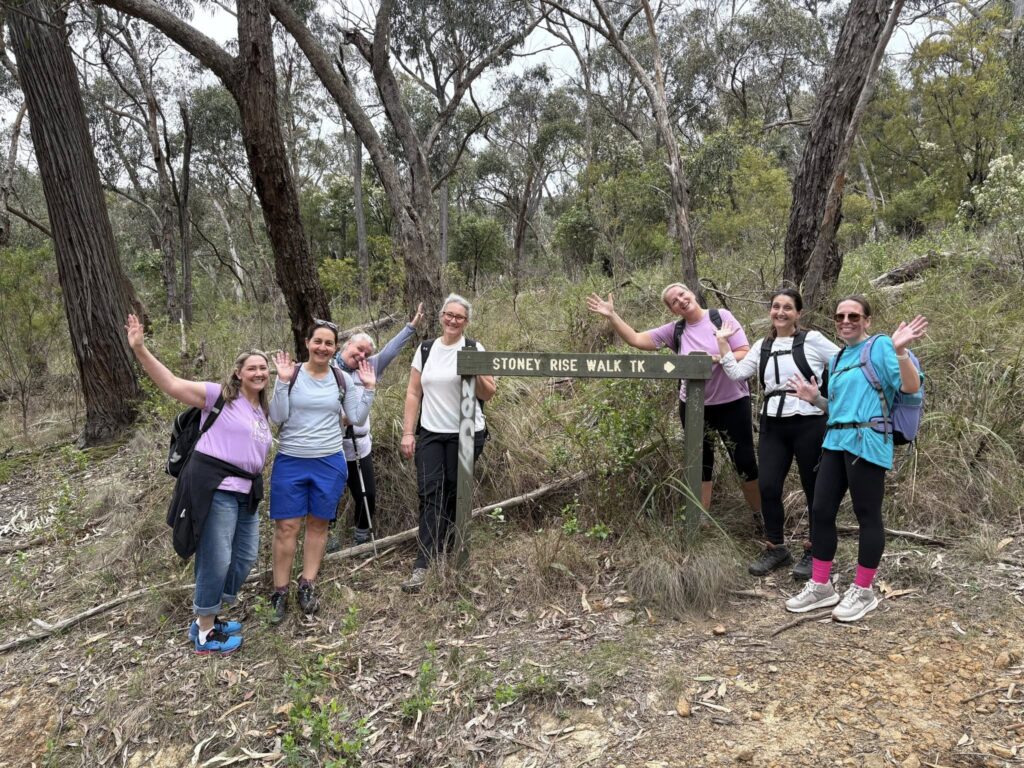
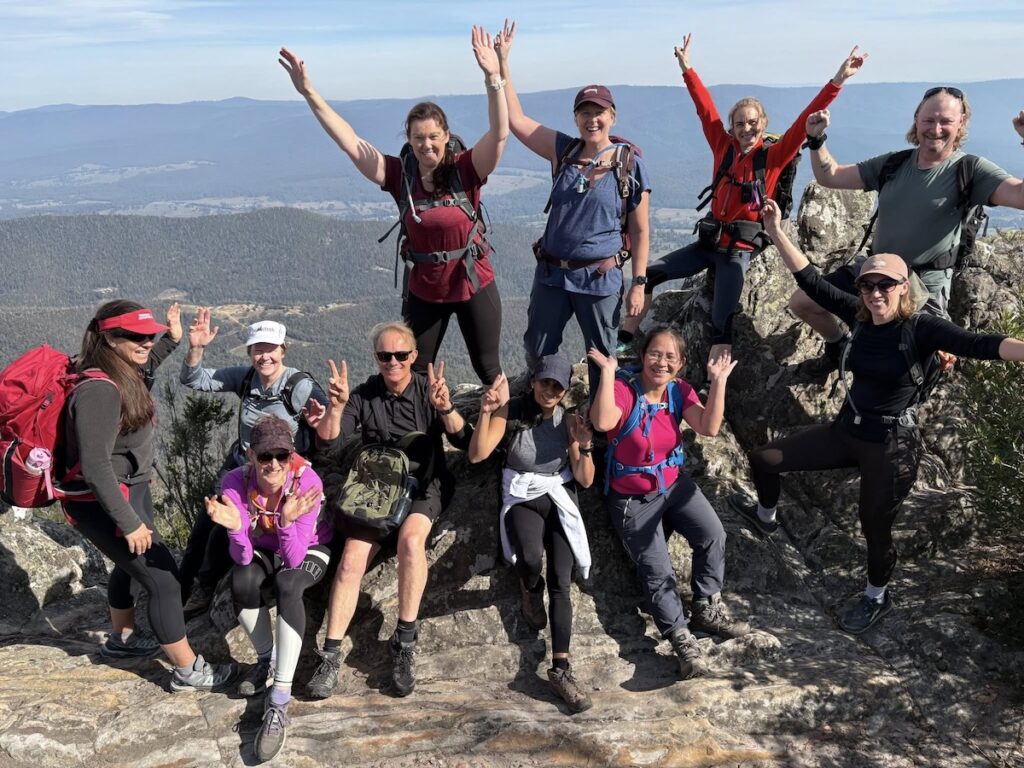
However, arguably the biggest realisation I’ve had about wellness is that you don’t need motivation, confidence, or positivity before something can help you. You don’t need another thing you feel like you have to do. You don’t need someone telling you to “just do it”. What you need is momentum before confidence; actually doing something even before you believe you can. It’s good to have a safe place to show up when you do this.
That’s where the outdoors comes in, because it does something very simple and powerful: it gives your nervous system a break without requiring a conversation about why you’re struggling. Outdoors, you can walk side by side with other people, without needing to explain yourself. You can move without being “fit”. You can be part of a group without the pressure to pretend or perform. Nature doesn’t rush you, analyse you, or demand you be cheerful. It just surrounds you while you breathe again. That’s why outdoor experiences can be deeply supportive for people who don’t want to talk about it, or don’t even know what “it” is.
Shared activity also changes the way we connect and explore wellbeing. Stress, transition, and grief often leave people feeling isolated, even when they’re surrounded by others offering their support. When you’re doing something together like walking, kayaking, or exploring, connection happens without much effort at all. You’re not sitting across from each other trying to find the right words, feeling the pressure of their eyes looking at you. You’re moving in the same direction, sharing the same track, noticing the same view. These are what help you share those easy smiles, small moments, and refreshing laughs at life’s craziness. None of it requires explanation, yet it still restores something important.
Finally, we have challenge. Not the punishing, muscle-aching kind, but the gentle kind. Challenge doesn’t mean proving your worth or skills to other people (it takes enough energy just to show up for yourself sometimes). Often it’s simply getting out the door, giving something a go when you weren’t sure you could, or trying something new in a supported environment. These small challenges rebuild confidence in a way that talking alone often can’t. They create a quiet but powerful reminder that you can still do things, and when someone starts to believe that, life expands again.
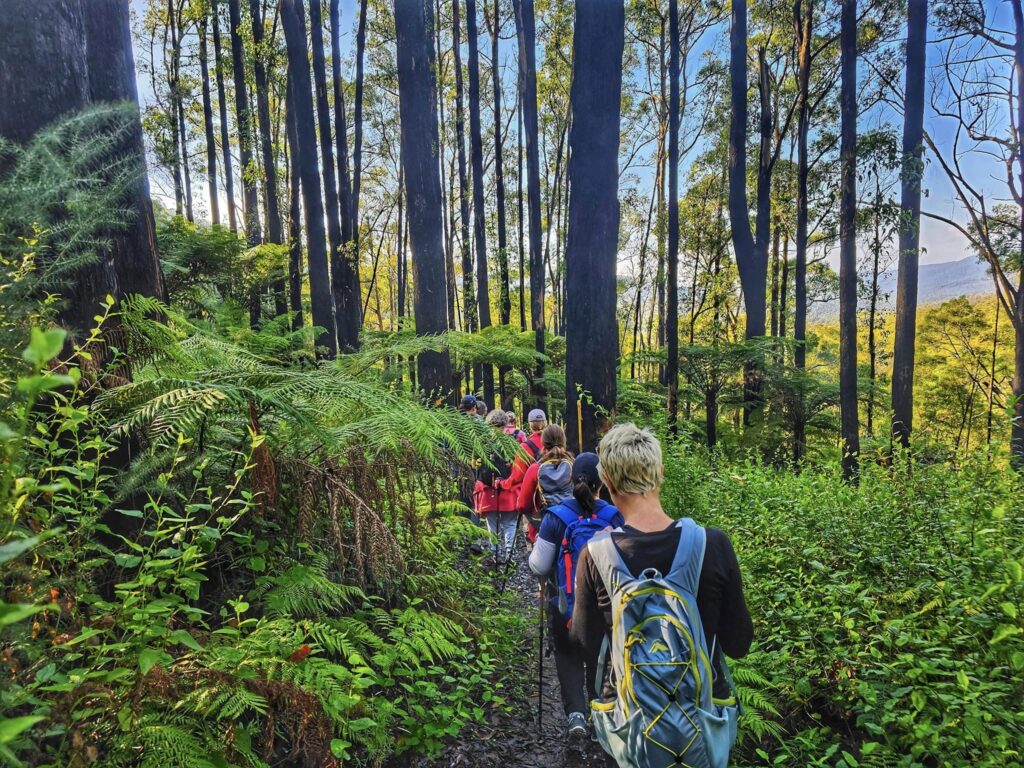
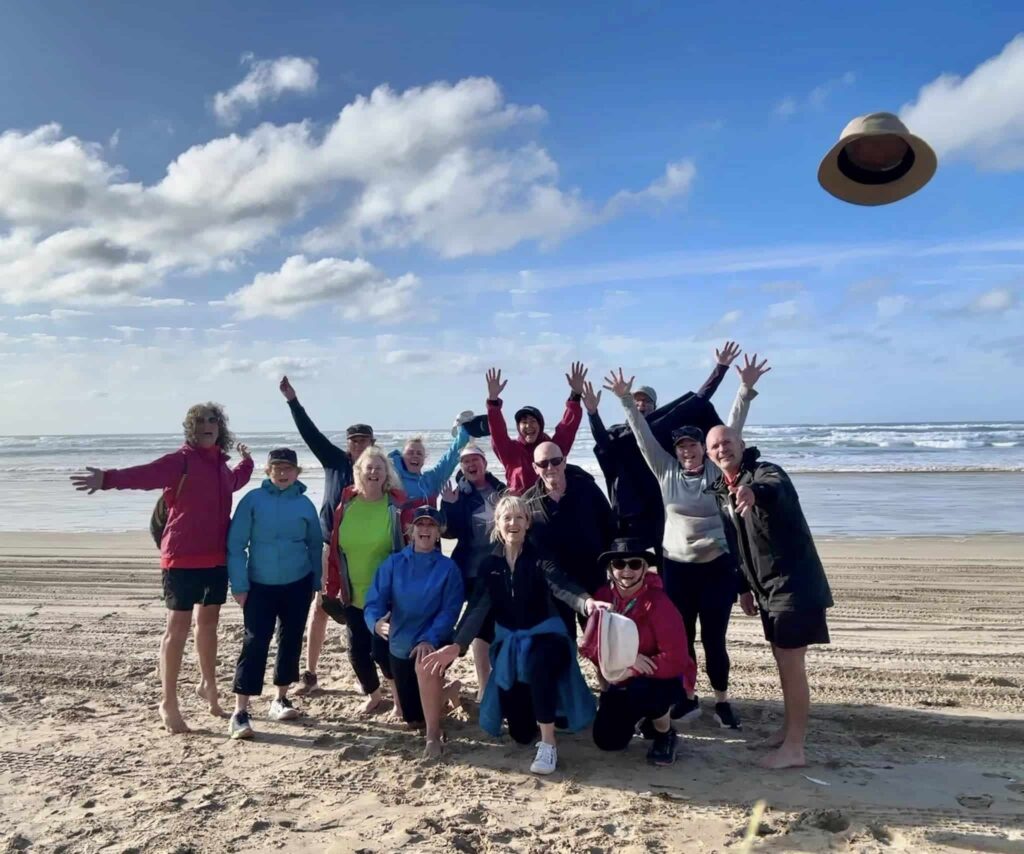
Here are three ways you can get your life back when you’ve discovered that it’s shifted
1) Make it ridiculously easy to say yes
Don’t start with a terrifying goal. Start with a small commitment you can actually follow through on, like a one-hour walk, a beginner-friendly group hike, a short kayaking session. Something where you can show up and see how you feel, or just dip your toes in the water (maybe literally). The goal isn’t to smash yourself, it’s to create momentum with that first step.
2) Decide your “minimum standard” before the day.
When you’re tired or flat, your brain will negotiate. So choose your minimum now: “I’ll just arrive and do the first 20 minutes,” or “I’ll come, even if I’m quiet,” or “I’ll show up and reassess.” Most people find once they’ve started, they keep going, but the win is simply getting there.
3) Borrow someone else’s structure
This is the secret weapon. If you’ve been stuck, don’t rely on self-discipline. Join something guided, planned, and supportive, where the route, timing, and logistics are already handled. You don’t need more decisions on your plate and in your brain, you need a supporter that makes the next step feel safe and simple.
One of the biggest myths about wellbeing is that you need to be “ready” or “in the right headspace” before you start. In reality, movement and nature often create the headspace, meaning you don’t need to have it before you get out there. Walking provides a rhythm perfect for bringing you clarity. Fresh air gives you a reset and a reminder that the world is bigger than four walls. Going with other people gives you the reminder that you’re not doing life alone.
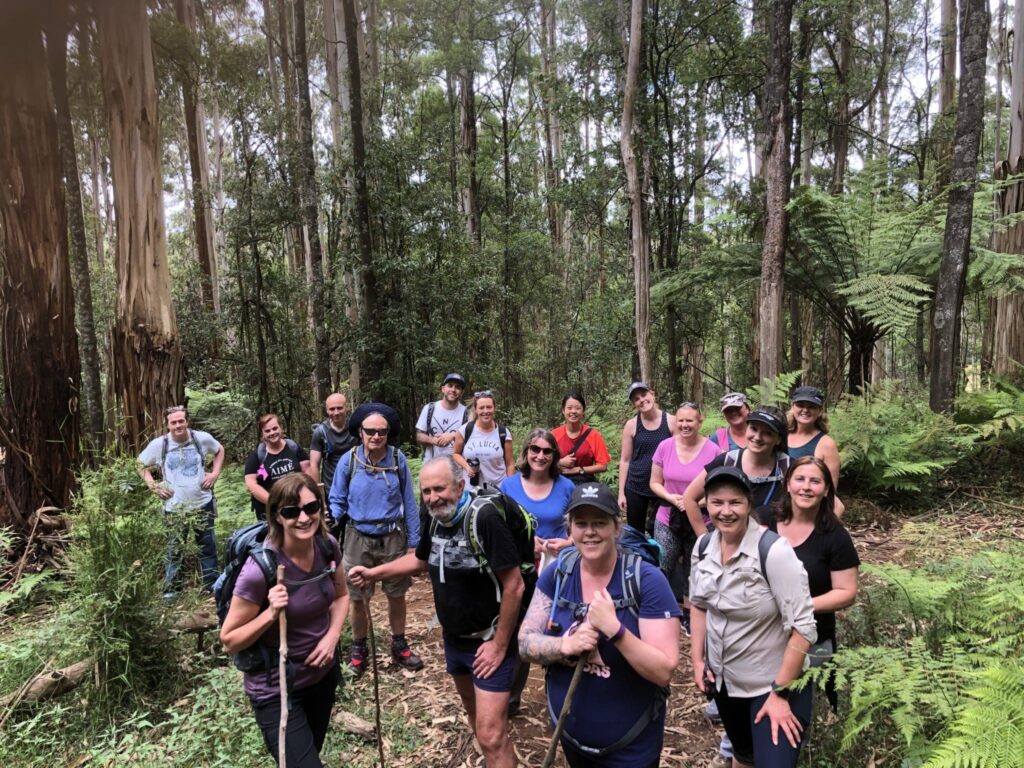
So if you’ve been hovering on the edge, unsure, always thinking about doing it next time, know this: you’re welcome exactly as you are. Whether you’re quiet, unsure, tired, spurious, flat, hopeful… all of it counts. Sometimes the hardest step isn’t the planning or the doing, it’s saying yes before you feel ready and letting momentum do the rest.
You don’t have to take that step alone.