

In positive psychology, two of the strongest predictors of long-term wellbeing are belonging and meaning. What? It’s not productivity or achievement or comfort? In Martin Seligman’s PERMA model, Relationships sit at the core of flourishing. Self-Determination Theory tells us relatedness, the feeling of being connected and valued, is a basic psychological need that’s as fundamental as autonomy and competence. However, if you ask people what they crave most when they’re stressed, many will say, “I just want to be left alone.” Why are we getting it backwards?
It’s understandable when you look at why some people are stressed in the first place. Dealing with people can be messy, working in teams is complicated, and the effort of looking after a family can be draining. So we think people are the problem and we retreat. Sometimes that’s exactly what we need, but my many years of leading groups has taught me that we don’t need it as often as we do. Often, we withdraw because our nervous system is overloaded, but we still need that sense of belonging for our wellbeing.
Many people are living in chronic stress from juggling roles, expectations, invisible labour, and performance pressure. When this happens, connection can feel like another demand. Even supportive people can feel like “too much.” This isn’t a sign of an inherently anti-social person, but rather a biological protective system. When the nervous system is in threat mode, the body prioritises protection over expansion. You cannot access the growth stage of belonging if you don’t first feel regulated, and this is where nature and adventure become powerful.
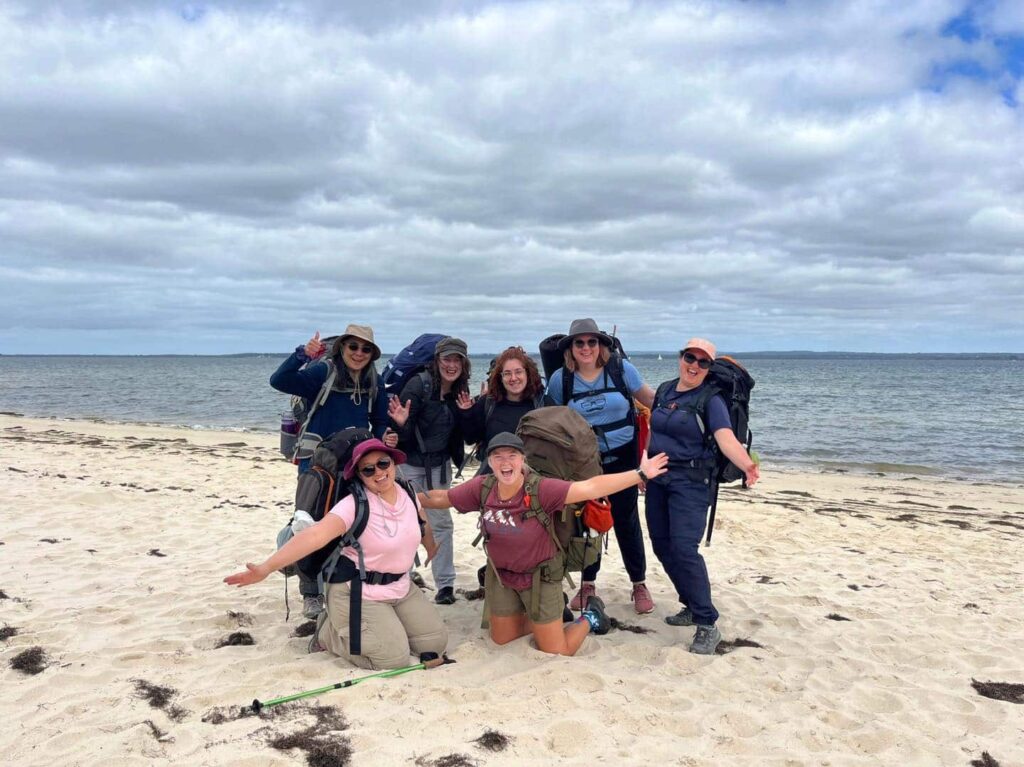
Green exercise, movement in natural environments, has been shown to reduce stress, improve mood, and enhance cognitive function. Time in nature lowers physiological markers of stress and increases feelings of vitality. Moderate physical challenge builds self-efficacy and resilience. In other words, adventure regulates before it connects.
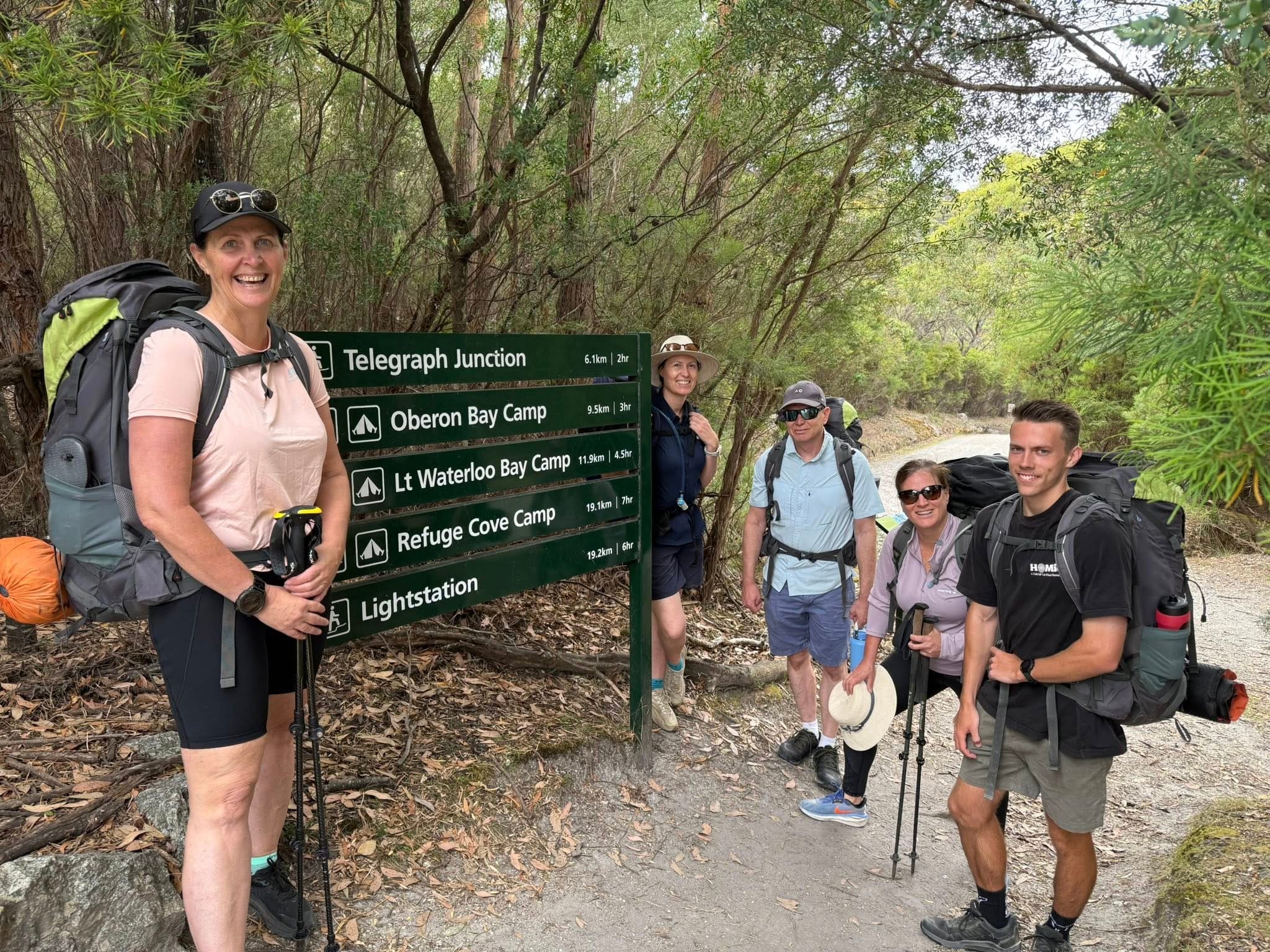
I’ve observed this many times on a variety of outdoor adventures. At the beginning, people are often guarded and a little bit shy. Then they start moving their body, allowing their nervous system to settle and replacing their internal rumination with shared effort and stories. Through this, connections begin to form organically, without being forced or awkward. This is made doubly easy through something called co-regulation. This is when multiple people’s nervous systems sync through movement, rhythm, laughter, struggle, and encouragement.
The next layer of benefit that comes from this is meaning. It’s hard to create meaning in isolation; it’s much easier to develop through contribution and it can be as small as helping someone up a steep section of a hike, adjusting your pace for someone else, or just reaching the top of a hill with others and reflecting on what you just achieved. This is what positive psychology calls collective efficacy, the belief that together we can handle difficulty, and it’s one of the best ways to initiate real growth in your life.
On the flip side of this, excessive isolation can quietly erode wellbeing. Without shared support, contribution, and belonging, our lives can feel heavier and hollow. Sure, people are unpredictable and messy, but we should not be recovering alone as much as we currently are. If we stay there too long, we deprive ourselves of the very conditions that build resilience and meaning. We can recover better by finding ways to regulate our sleep, boundaries, movement and load, rather than jumping straight to isolation. Then we can step into a shared experience with capacity.
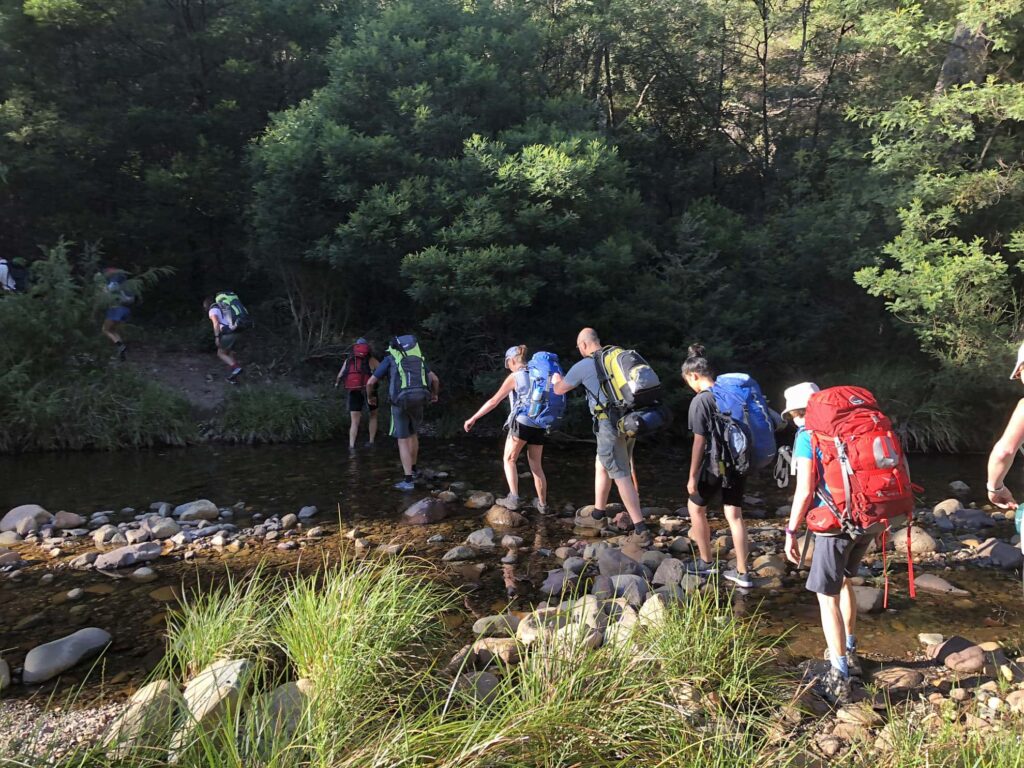
While adventure is a great way to be in nature and see beautiful scenery, the more beneficial aspect is the way it fosters belonging. It teaches us that shared discomfort becomes lighter, and that group effort bonds people to create growth and meaning in a way that nothing else can match. Those are not things we can stumble on alone, they need to be something we build together.