

For decades, we were fed the same messaging of what things, mostly food, we needed to fear. Fats, salt, red meat, sugar, cholesterol, even sunlight wasn’t safe from the firing line of fear mongering. This went hand in hand with the other messaging we received about safety from these fears. We needed to stay calm, comfortable, in control, and in a constant state of improvement by gaining more money, status, and productivity. Despite us following these rules for years, it’s clear that something isn’t working.
Between the 1970s and today, obesity rates have soared, metabolic disease has increased, and anxiety and burnout have been on the rise. We have become more medicated, more stimulated, and more exhausted than ever. It’s easy to feel angry about this, wondering why we were fed so many lies, but let’s try to get curious and find out why this happened. From my perspective, we oversimplified biology and over-engineered comfort. However, humans don’t thrive in this safe, boring comfort, they thrive in rhythms.
The war on fat and the rise of ultra-processing
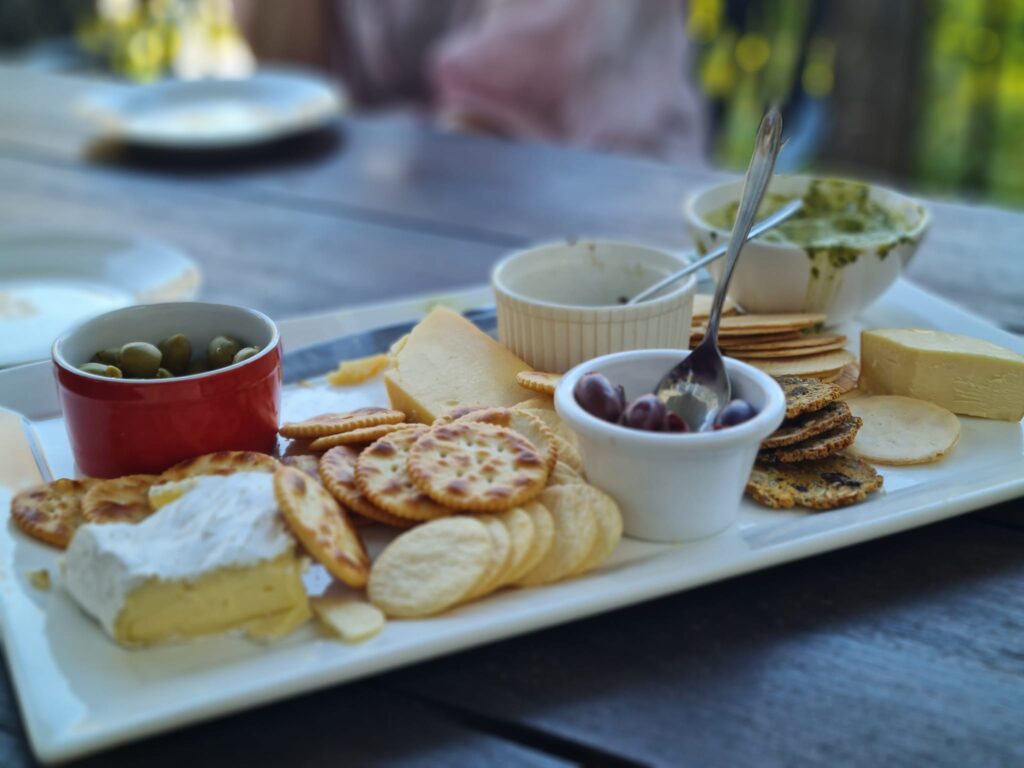
When low-fat dietary guidelines became dominant in the late 20th century, food manufacturers needed a way to replace the flavour that was lost in the low-fat alternatives. To keep people buying their products, they replaced it with refined carbohydrates and sugar to keep products palatable. So fat intake dropped… and ultra-processed food intake rose. Right alongside it, obesity and type 2 diabetes also increased.
Fat is not optional. Every cell membrane in your body is made of it, your brain is largely fat, and your hormones depend on it. So when the guidelines demonised fat, they didn’t distinguish between different types of fat. They just threw out the whole lot, including the whole food fats that are very good for us and were never the issue to begin with. They created a new issue of industrial food engineered to override satiety. We didn’t remove any perceived danger from our diets, we just removed nutrient density.
Why context matters in nutrition science
Nutrition science is complex, as many sciences are! Plus, epidemiology is messy and certainly not fully understood by the dozens of influencers you see promoting various extreme diets. For example, real data shows that processed meats consistently have higher health risk associations. On the other hand, whole, minimally processed red meat in balanced dietary patterns doesn’t present this same consistent risk. This contrasts with the artery-clogging red meat narrative we’ve been told in the past.
Another item in the diet blacklist is cholesterol. Did you know that cholesterol is essential for hormone production, cell repair, and brain function? Cardiovascular disease is multifactorial, with influences like inflammation, insulin resistance, smoking, inactivity, stress, and sleep disruption all contributing towards it. When we reduce health issues to a single cause, we neglect to address the deeper problem and may try to get rid of something beneficial in the process. Let’s stop turning our bodies into catchy headlines.

Our next enemy is the Sun
It is absolutely true (and supported by plenty of scientific data) that excessive UV exposure increases skin cancer risk. The pain from a sunburn is a very clear bodily indication that damage has been done. What’s also true is that sunlight regulates circadian rhythm, supports vitamin D synthesis, improves mood, and anchors our biological clock.
Most people don’t have the issue of getting too much sun. In fact, a majority of people spend too much time indoors, exposed to artificial light from their ceilings and screens, and receiving this light at unnatural hours long after the sun has set. This disconnects us from our natural cycles, disrupting our sleep and hormones, and replacing our body’s rhythms with consistent unhelpful habits.
So… do I need breakfast or not?
For most of human history, food was not available 24 hours a day. However, that doesn’t mean we should only eat anything we can forage or hunt; that’s obviously unrealistic with current living systems. Humans are metabolically flexible, meaning that some people thrive with breakfast while others feel better eating later. The times at which you eat will never do as much damage as stressing about the times you eat.
So don’t worry about whether you eat at 7am or 10am. Instead, consider how much you constantly graze on ultra-processed foods from dawn to dusk (or later than dusk). Rather than improving health by controlling our eating times, we just created more stress and food noise that take our energy away from things that are really important to us.
The bigger picture of salt and sugar
Sodium needs vary from person to person. Some people are salt-sensitive, while others are not. Traditional diets around the world have included salt for centuries without the modern hypertension rates we’re seeing. So obviously it’s not sodium that’s the inherent problem. We see more direct correlation between decreasing health metrics and the explosion of processed food, refined carbohydrates, industrial seed oils, and sedentary lifestyles.
The conversation gets bigger from here…
True happiness doesn’t mean staying calm
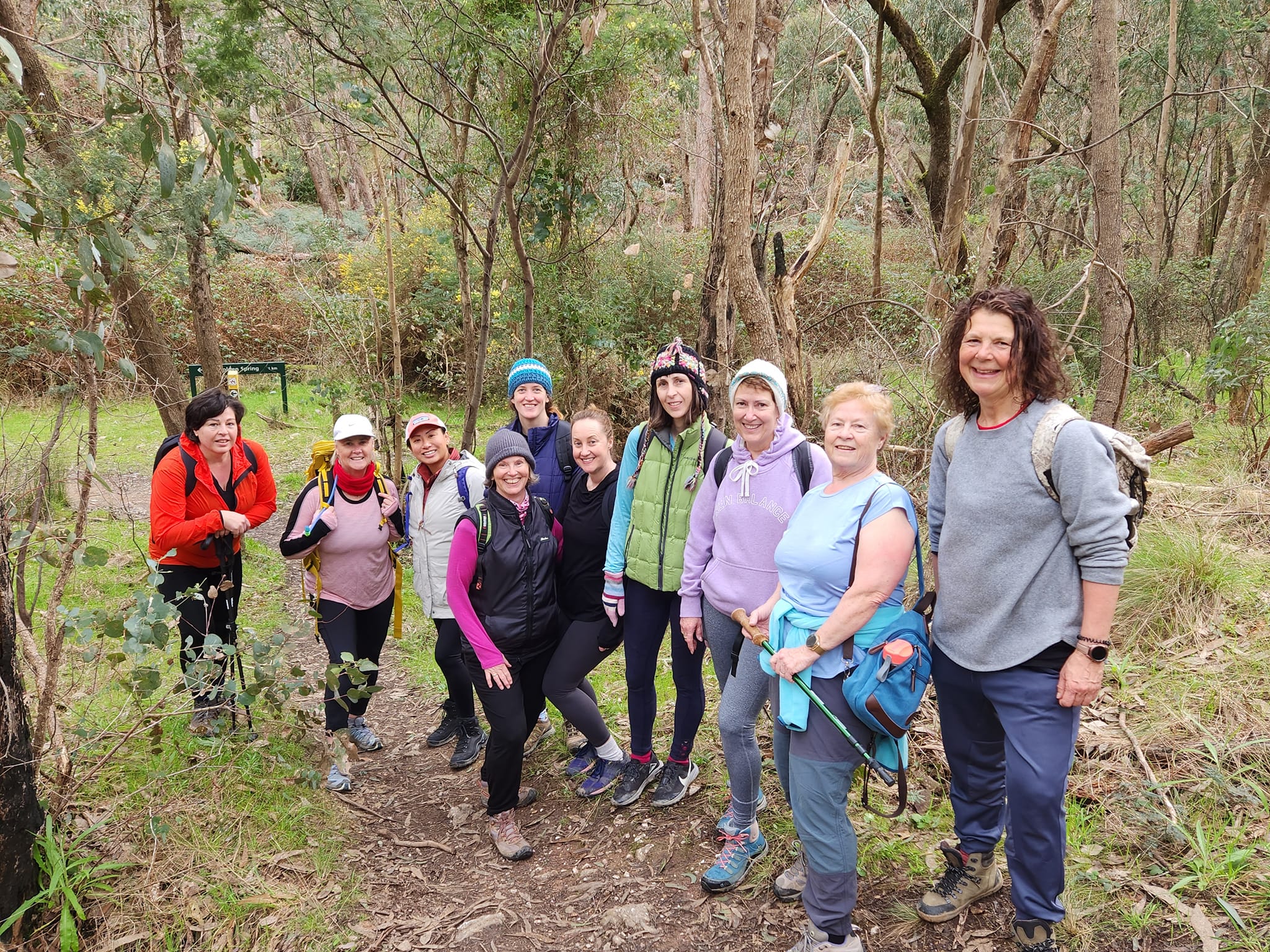
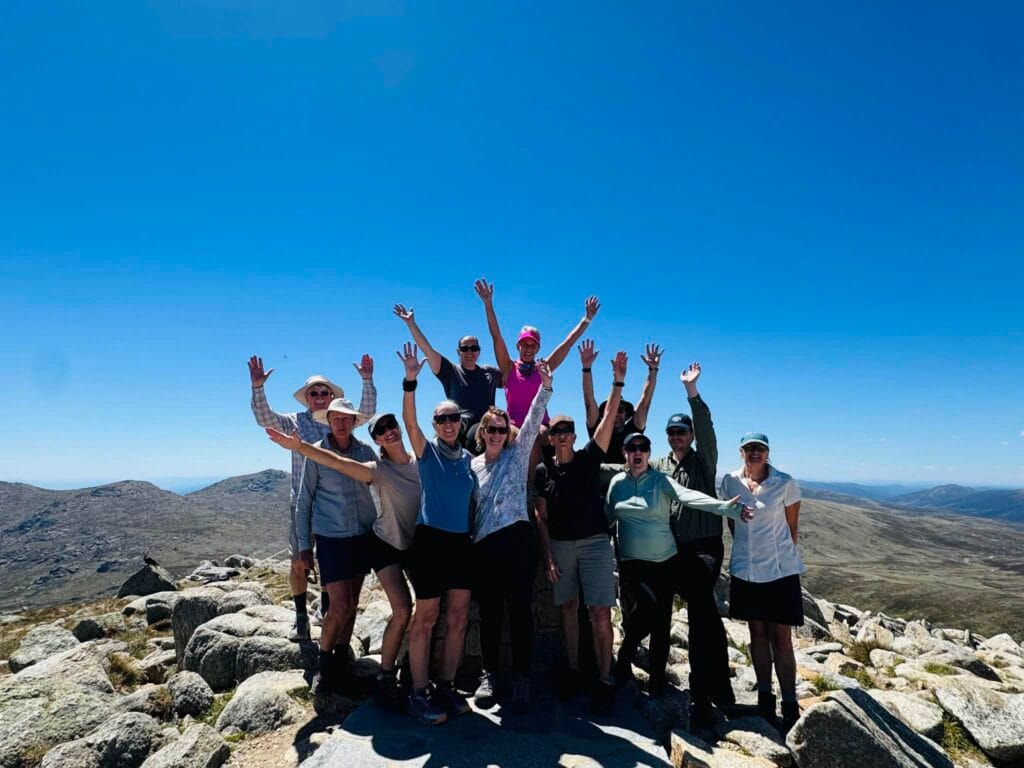
The messaging of fear has been closely accompanied by the messaging of control, telling us to stay regulated, stress-free and safe. Biologically, growth has never come from permanent calm. If you’re a regular gym-goer, you know that muscle grows from tension and bone grows stronger under load. If you’re a regular adventurer, you know that resilience grows from challenge and confidence grows from doing hard things.
Yet, we built a world designed to eliminate friction. If you’re not sure what I’m talking about, think of things like air-conditioned homes and gyms, treadmills instead of trails, and food on demand. We stay in control of ourselves and others via technology that tracks our bodily functions, communication, location, and alerts us with notifications constantly.
So great, we removed discomfort from our lives. But discomfort, in the right dose, helps us build capacity. I’m not advocating for trauma, chaos, or burnout; that’s not the right dose. But being exposed to different temperatures, uneven ground, fasting, feasting, effort, recovery, alone time, and connection is the fluctuation that humans have evolved with. Now that we’ve controlled our lives, our nervous systems are confused.

What to do when ‘more’ is no longer enough
We were told growth means promotion, income, status, always achieving more and getting to the next level of optimisation. In reality, growth is actually something more subtle. It shows itself in our emotional range, tolerance for uncertainty, response to pressure, courage in discomfort, and ability to recover. None of this can be achieved by staying comfortable.
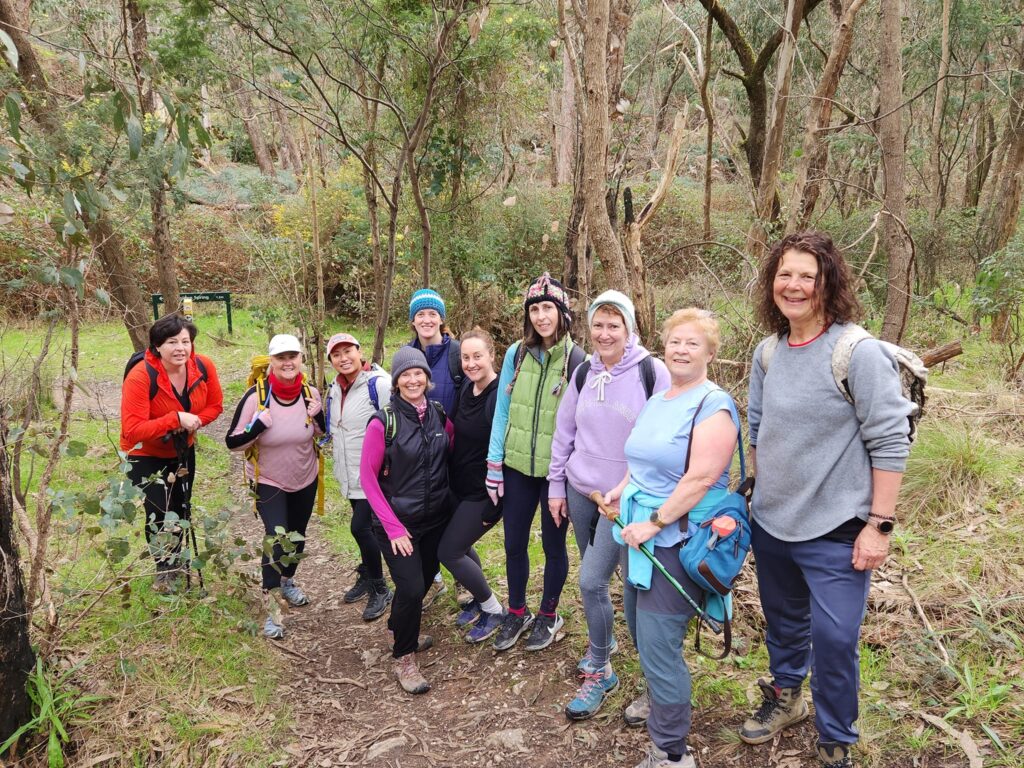
If you want to grow, choose a challenge that exposes you to discomfort. Maybe you want a hike that pushes you, a walk in the cold, a heavier lift, a difficult conversation, or a completely new activity you’ve always wanted to try. Stress doesn’t need to be eliminated completely when there are ways to dose it wisely in our lives.
You shouldn’t blame yourself if this resonates with you. We have been shoehorned into lives that are overstimulated, indoors, isolated, controlled, and undernourished, which is the result of trying to eliminate ‘fears’ like fat, salt, or sunlight. Thankfully, your solution is biological literacy. The data tells you to eat mostly whole foods, prioritise protein and fibre, use fats intelligently, move daily (preferably outdoors), see morning light, sleep in darkness, create connections, and choose challenges that stretch you.
We’ve cultivated comfort but now it’s time to develop our capacity again by remembering what built us in the first place. Connection, nature and challenge is where we take our lives back to be our own.