

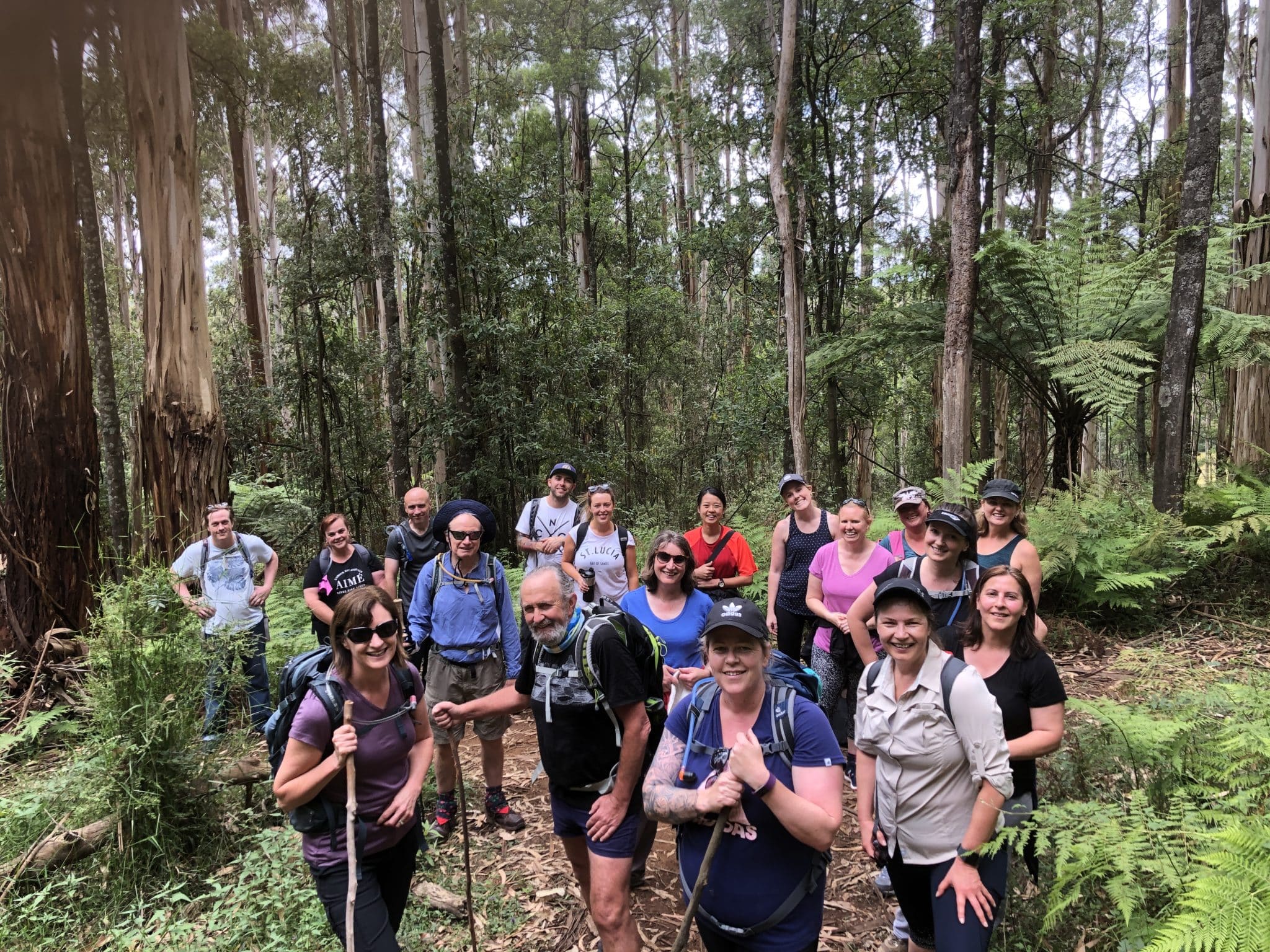
We plan plenty of activities here at Take Shape Adventures, from workshops to wellbeing sessions to our standard adventures. Being a company all about people and creating these activities for public groups, we open ourselves up to feedback and unpredictability. We naturally don’t get everything right, especially with the volume of adventures we currently run. Sometimes it’s an honest mistake, often it’s miscommunication, and most of the time it’s something simply outside our control. But mistakes are not what should define experiences and form our strongest connections.
When joining us on our adventures, you’ll undoubtedly experience endless mix-ups. The weather changes in an instant, expectations can differ from person to person within a group, or instructions may be interpreted differently by different people. It’s in these adaptable moments that group culture is revealed.
Recently, halfway through a wellbeing session for veterans’ wellbeing week, one of the confident participants challenged an activity I’d designed. The concern was framed around safety during the activity. Within minutes, a few others began to align, voicing their own comments and nodding along in agreement. I felt the energy in the room shift and experienced the reflex that many leaders know: to defend the plan, explain the intent, and prove I was right. I fought against this. I acknowledged their concern without arguing, asked what specifically felt unsafe, and adapted the activity to increase choice and control. Later, I understood there was context in that person’s situation I couldn’t have known.
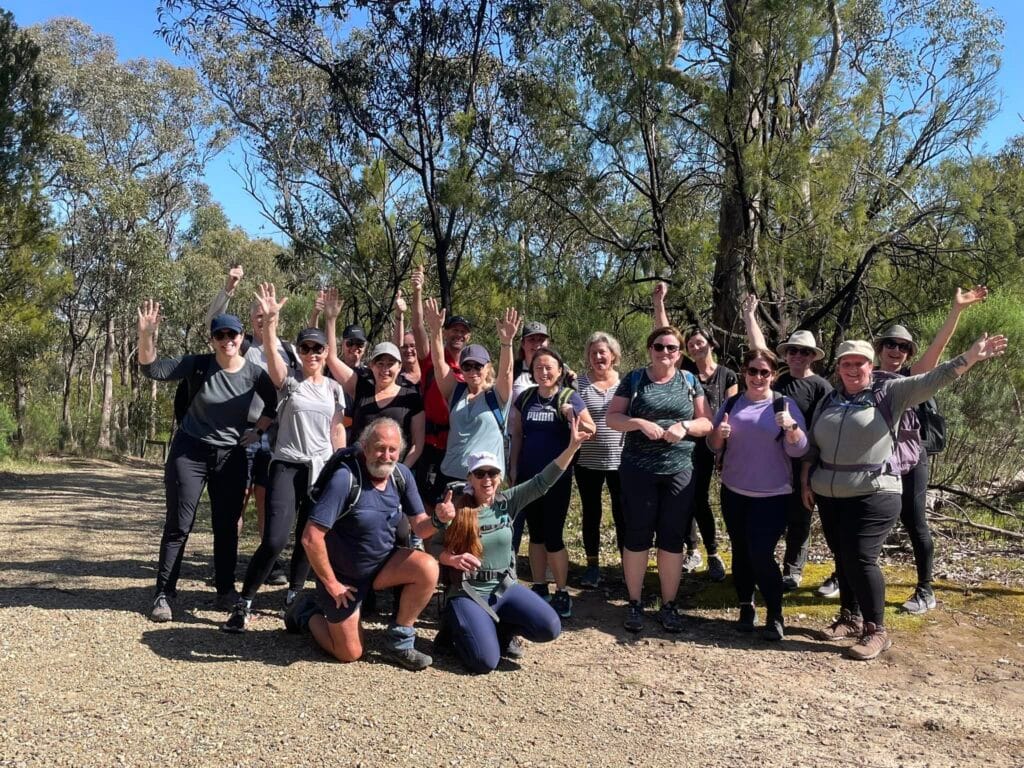
The biggest lesson I took away from this encounter wasn’t about the short-comings of my activities or my response to criticism as a leader, but rather how quickly negativity bonded the group. We talk about social contagion as a positive thing. When one person in a group is confident or motivated, the rest of the team is more likely to be the same. It works the other way, however.
Frustration spreads through a group, so does fear, and blame spreads fastest of all. In workplaces, these small negative moments happen every day. There are always inevitable plan changes, instances where not everyone’s needs can be met, or projects that fall off track a little. Businesses are run by humans, after all, and humans are fallible. Wanting to express their concerns about the mistake, someone tells the team how they’re feeling, and then it’s often off to the races.
The rest of the team pitch in with their agreement, just like the veterans I was leading, and suddenly no one wants to even attempt to adapt or find a way around. Team culture finds its make-or-break point here. It’s lovely if everything is going swimmingly, but when something doesn’t go to plan, the response is the most important decision a team can make. Do they give up, blame the leader, and abandon ship? Or do they find solutions and find the silver lining?
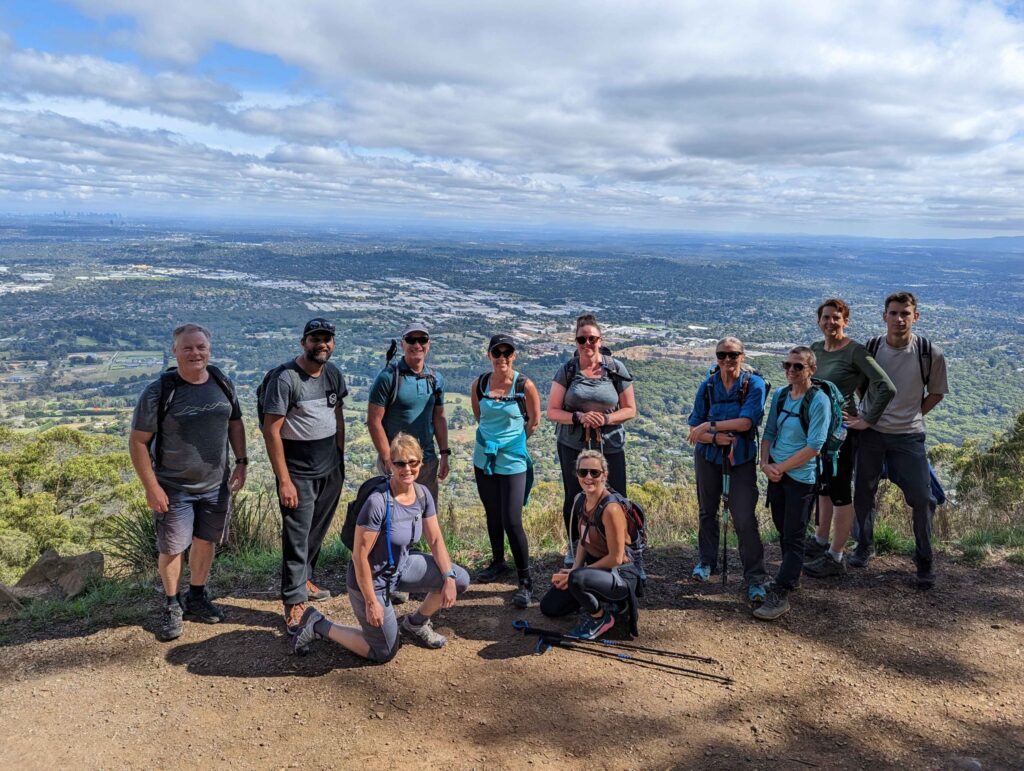
Adventure exposes these responses by giving us much more explicit changes in condition. With discomfort in adventure being far more noticeable because of its physical nature, the group energy can quickly lose its mojo and bond over blaming the situation. Groups can bond over shared blame, but the more powerful bonds come from shared challenge and achievement. The difference between these two is leadership. The next time the ‘blame train’ starts rolling, consider how you handle it and divert the conversation back into helpful, productive territory.