

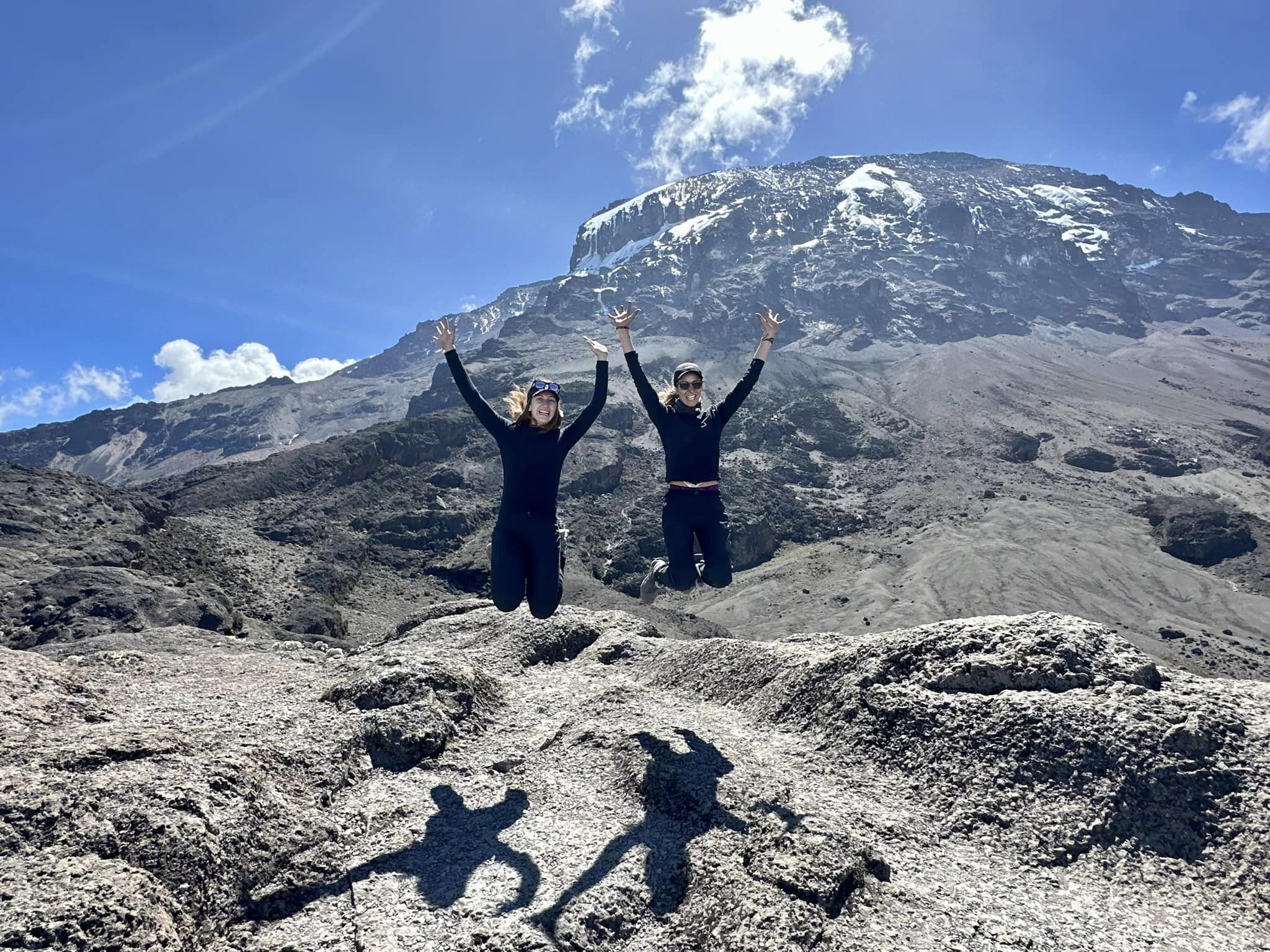
Last Sunday, I was getting in my usual training climb with my pack on, my breathing a little heavier than I care to admit, and my goal of Kilimanjaro sitting in the back of my mind. Sorry for those of you who are super keen to climb Kilimanjaro but haven’t managed to yet, I don’t mean to make you jealous! But while I was walking, I caught myself doing something I thought I had outgrown.
I realised after a little while that I wasn’t looking at the trees or listening to the person beside me talk anymore. Instead, I was checking my watch, again and again. I needed to know where my heart rate was, how much elevation I had gained, how fast I was going, how many calories I had burned on the climb. It was a subtle change in behaviour, but it was there. I had stopped hiking and started performing.
Perfectionism often rears its ugly head under the disguise of discipline, convincing you that it’s sensible and strategic. It’s good to have high standards, especially when you’re working towards a big goal. You need to control the variables and optimise as much as you can, so you can really earn that achievement. But doesn’t this squeeze all the joy out of life?
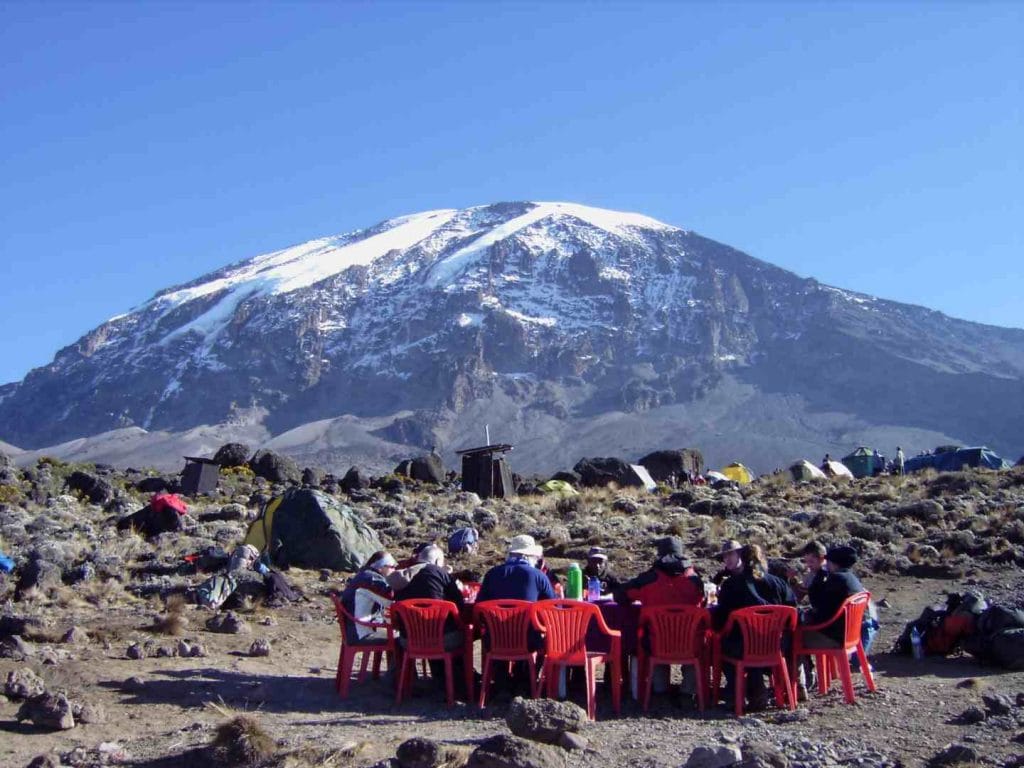
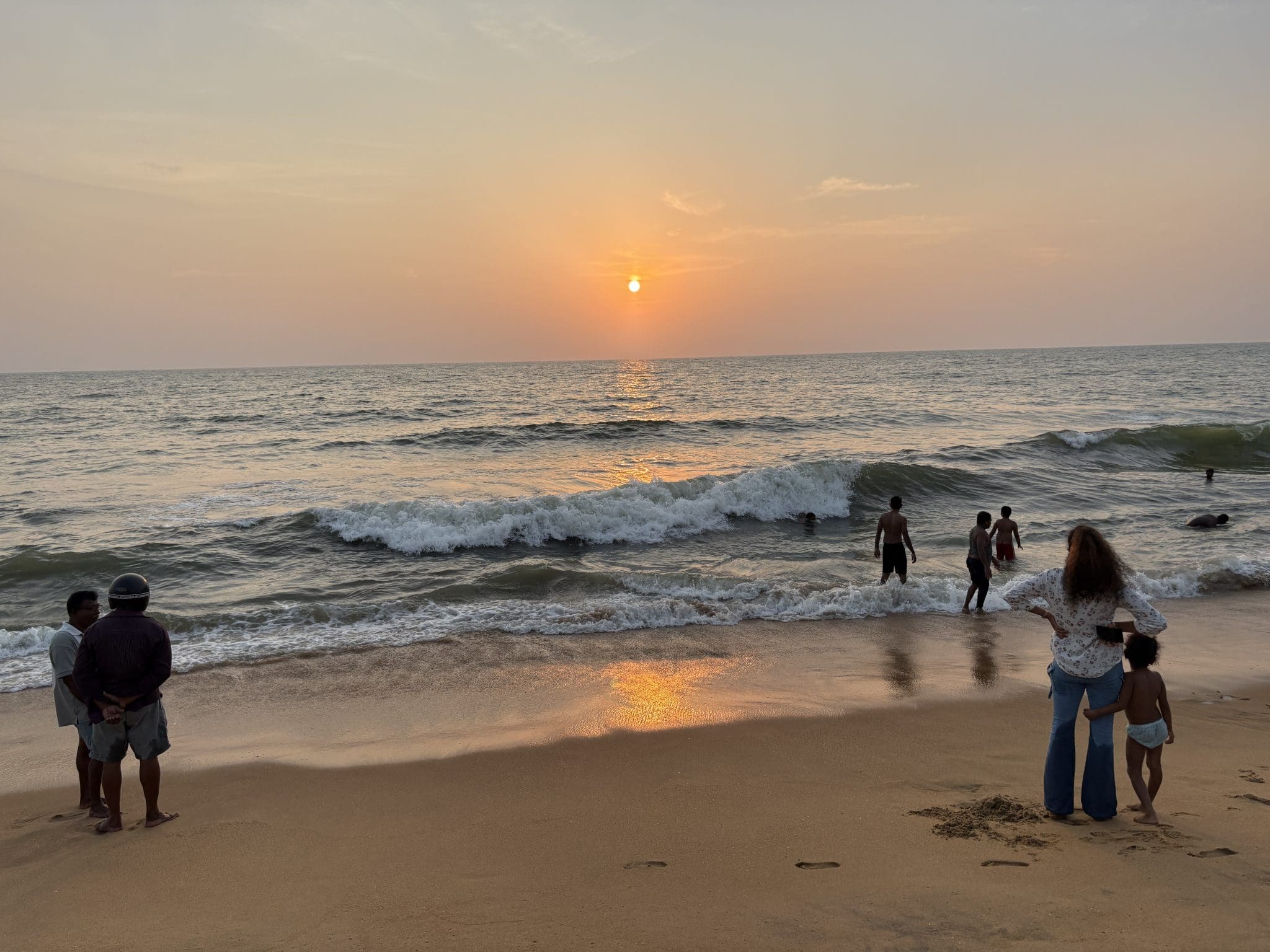
As I walked, I discovered that I wasn’t really enjoying and experiencing the hike, but rather just ‘getting through’ it to reach some abstract number that would determine my success. If you think this sounds familiar to you, it’s probably because this behaviour extends far beyond hiking.
I see this kind of pattern in so many aspects of everyone’s lives (or most people, at least!). We measure productivity with checklists and then feel guilty when we haven’t done everything we thought we should. We track our sleep and our food, only to get so stressed about it that we end up under-sleeping and over-eating. We even project this perfectionism onto others, sometimes tracking people like our kids because if they’re successful, then we must be good parents, right? Relaxation only becomes allowed once we’ve saved enough, we’re fitter, life is stable and under control.
From an evolutionary perspective, this makes sense. Our brains are wired to seek safety and so having control over situations, and life in general, reduces the perceived threat and makes us feel protected. There’s another kind of threat that comes with control and safety, however.
When we let our inner control-freak take over, we take the joy out of our lives. We postpone risks, waiting for the perfect conditions that never arrive, and we end up postponing our own joy and ultimately just ‘getting through’ life like I was ‘getting through’ that hike.

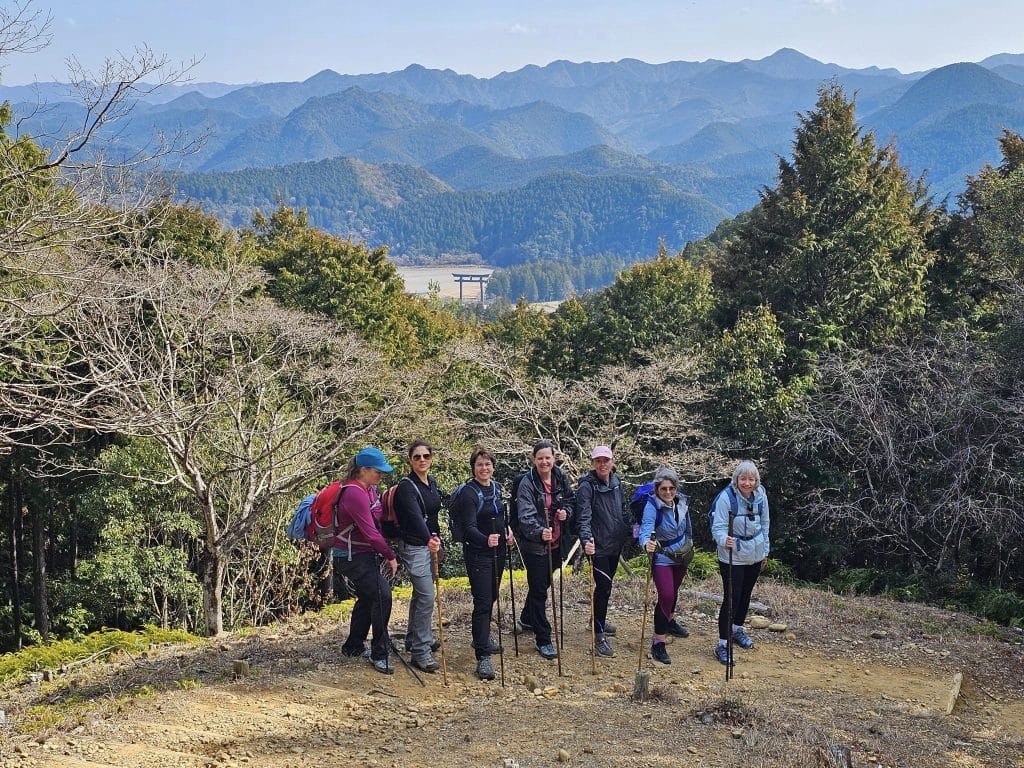
As I move towards my 50s, I’ve lived enough to know that certainty is close to impossible. You can train perfectly and still get altitude sickness when climbing Kilimanjaro. You can eat meticulously and still get a diagnosis. You can save diligently and still be blindsided by unexpected life changes. Life’s messiness and challenges won’t disappear when we track our heart rate perfectly. This may sound a little pessimistic, but the message I’m really trying to send is that we should try to release that control and really find that sense of presence (even joy) in the current moment.
That’s not to say that structure is completely useless. I love a good bit of evidence and planning to guide outcomes and realise results. Being well prepared is something that needs to work hand-in-hand with adaptability. But when the numbers become the goal instead of the guide, the experience shrinks and becomes less fulfilling.
My ascent of Kilimanjaro might take me all the way to the summit or it might not. I won’t know until I am living in that moment. What matters more is who I am on the journey there. Am I measuring and performing? Or am I engaged, curious, alive to the discomfort and the beauty of it?
I believe many of us fall into this habit of control in less obvious ways. We wait for everything to be secure before we say yes to an opportunity. We control the chaos so we don’t actually have to experience any of it. We try to optimise every minute detail of our lives, only to realise we’ve ended up postponing them.

Don’t abandon all responsibility and throw away every tracking device you own, but take this as a sign to loosen your grip a little. If you’re someone who has endless amounts of life data, try using it to inform your decisions, not define yourself as good or bad, successful or a failure. Remember that life isn’t a problem to solve because the messy, unexpected parts will come anyway, so you might as well be present in life when they do.