

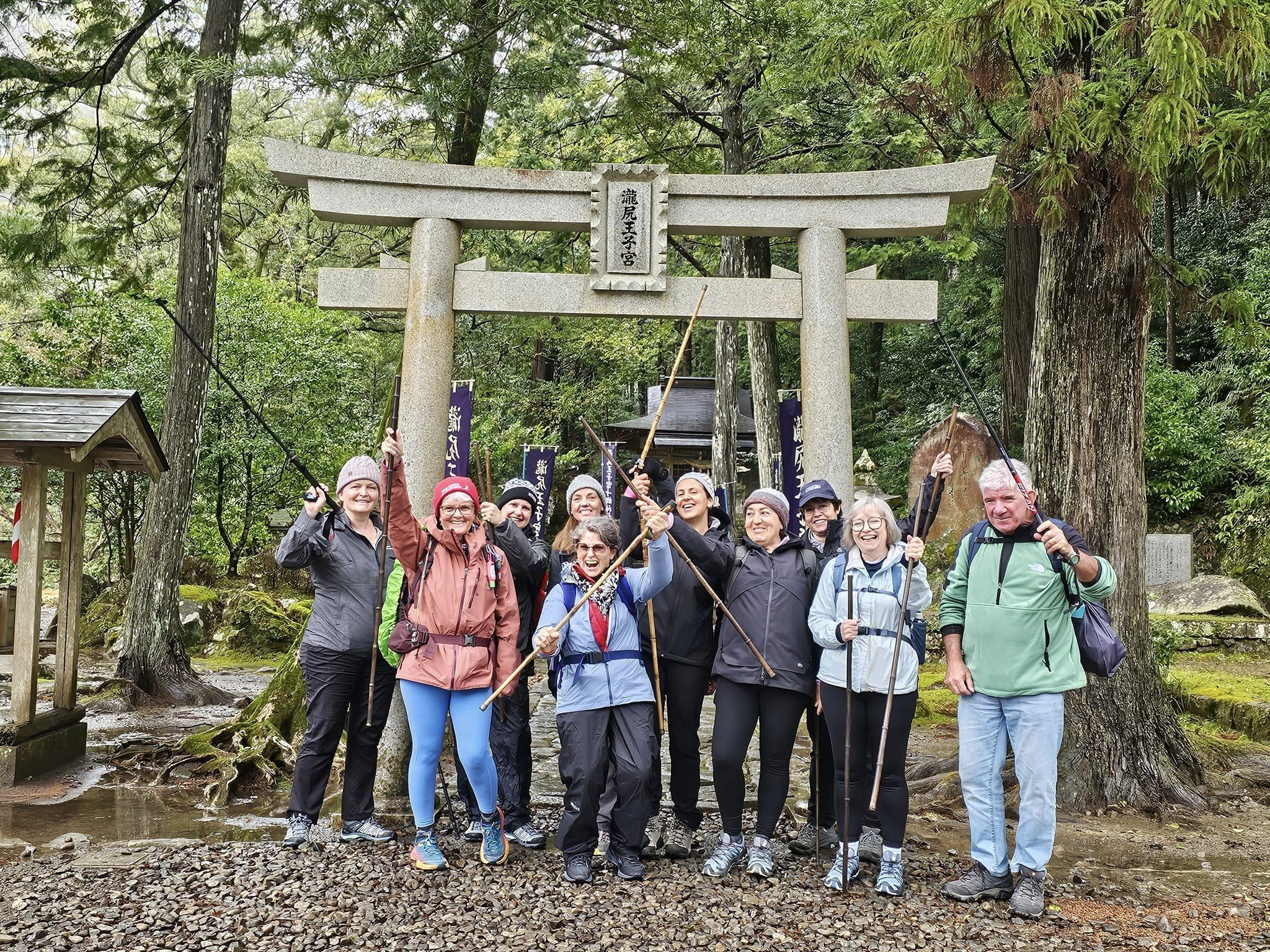
Ever had an idea for the future hit you like a lightning bolt? You start imagining the version of you who did the thing, the trip, the course, the new job, the bold conversation, the event, the adventure. And then you wake up the next day… and your brain starts acting like an overprotective bouncer. It’s not for you. It’s too expensive. The timing is wrong. You don’t have the ability. You’ll look silly. You’ll fail. By lunchtime you’ve basically convinced yourself it was a cute fantasy and you quietly go back to your normal life, where everything is safe, predictable, and manageable.
The most annoying part is that the reasons sound responsible. Time. Money. Family. Work. But deep down, if we’re honest, that’s not always what’s happening. A lot of the time it’s not logistics, it’s fear wearing a sensible outfit.
Why do we shrink ourselves?
Our minds are built to keep us alive, not to make us wildly fulfilled. So when something feels meaningful, exciting, or identity-shifting, your nervous system often interprets it as risk. Not just physical risk, but also social risk, emotional risk, and ego risk. Because if you try, you might fail, right? And if you fail, it might confirm the story you’re scared is true, that you’re not good enough or you can’t do it.
But there’s a sneaky fear that doesn’t get talked about enough: the fear that it actually works. What if you pull it off? What if you become the kind of person who follows through? What if you do discover you’re capable of more than your current life requires?
Success changes things. Success asks more of you. Success can trigger a whole new level of visibility, responsibility, and identity shift. So the brain offers a deal: stay small, stay comfortable, stay certain. And we take it, not because we’re weak, but because certainty is soothing.
I’ve felt this plenty of times before
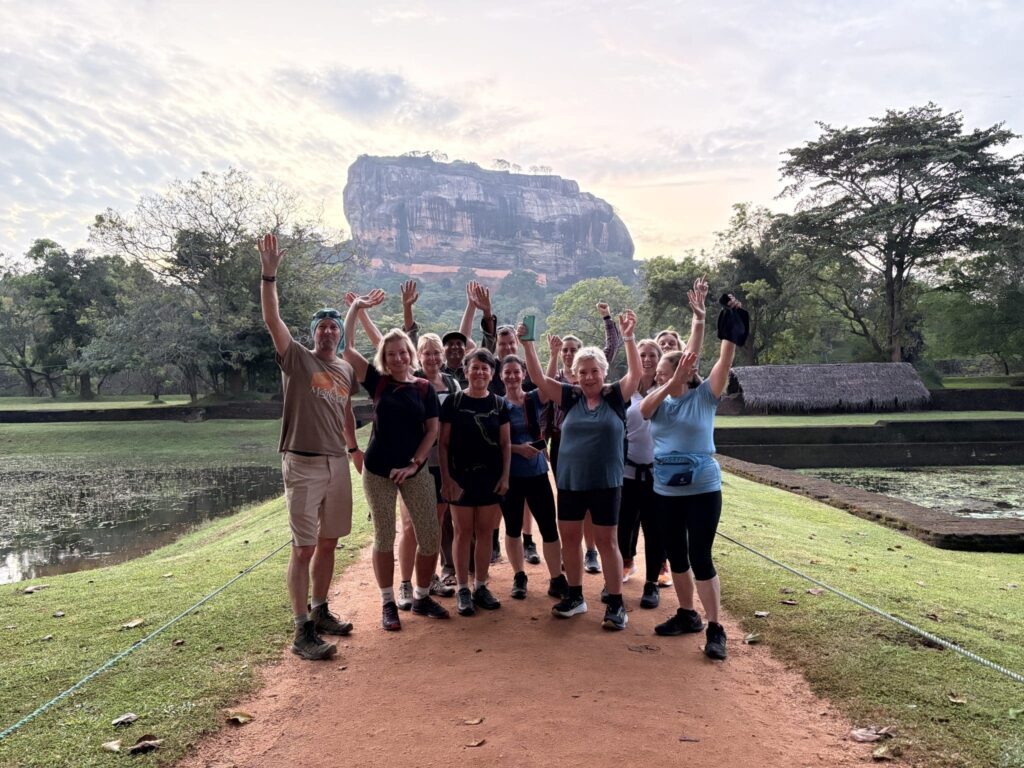
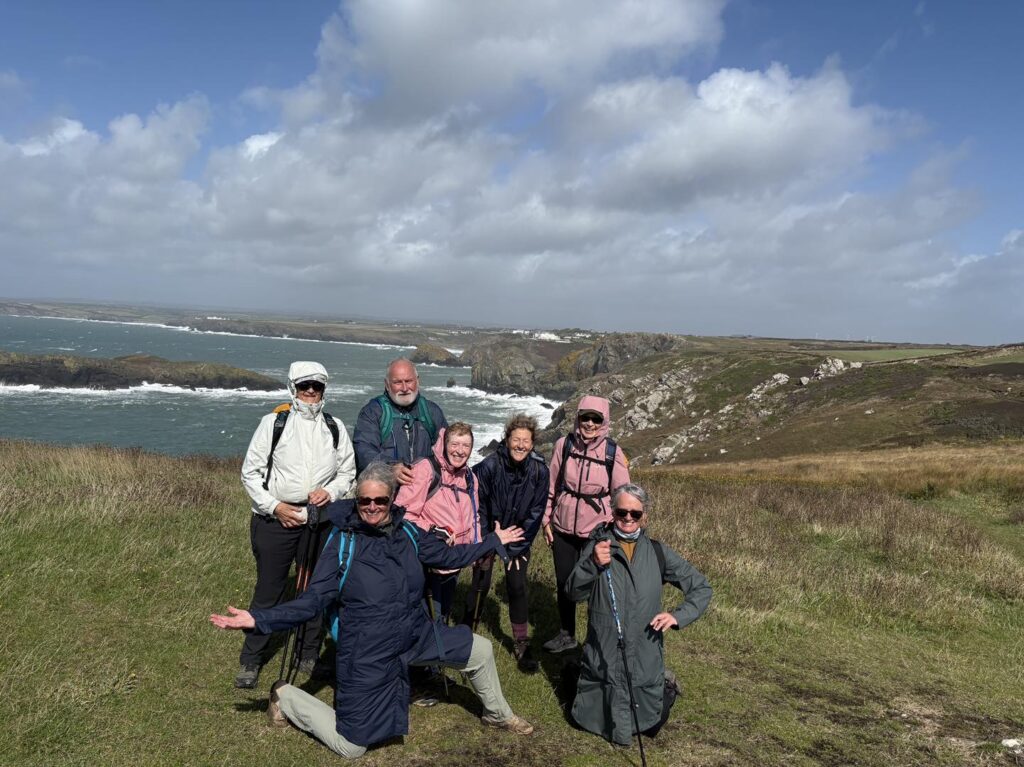
I can remember that exact feeling through so many seasons of my life: building the Take Shape Adventures business, opening the studio, launching big events, creating adventures. That deep nerve sensation in the pit of your stomach, the kind that feels like excitement and terror had a baby. And life would have gone on if I’d said no. Truly. Sometimes saying no is the right call.
But what I’ve noticed over time is the more often you say no because you’re scared, the more your world shrinks. You get more controlled and comfortable, but somehow more anxious and less alive. This is because imagination needs oxygen, and one of the fastest ways to suffocate it is to repeatedly teach yourself that you shouldn’t bother wanting things because you won’t do them anyway.
That’s where a lot of people end up without realising it, not in a crisis or a breakdown, just in that quiet place where you stop expecting anything from yourself. That low-level, grey-ish life that looks fine on the outside.
You won’t feel failure, but you will feel regret
At the end of life, palliative care workers have long noted that regret tends to cluster around the things people didn’t do, the chances they didn’t take, the words they didn’t say, the dreams they kept for later. Because later is a weird myth. Later is not a guarantee. Unfortunately, we are brilliant at justifying inaction. We can create a convincing argument for staying exactly where we are. But thriving? Thriving tends to require different skills of willingness, courage, discomfort tolerance, and the ability to move forward before the how is fully clear.
Your nerves are not a signal to stop
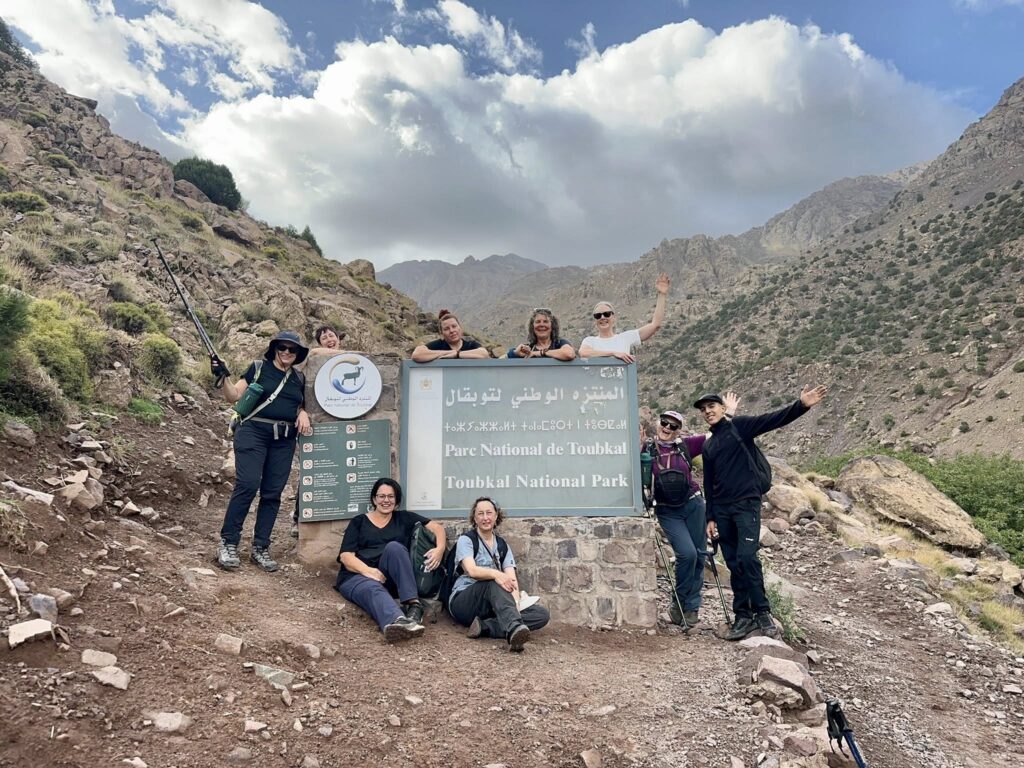
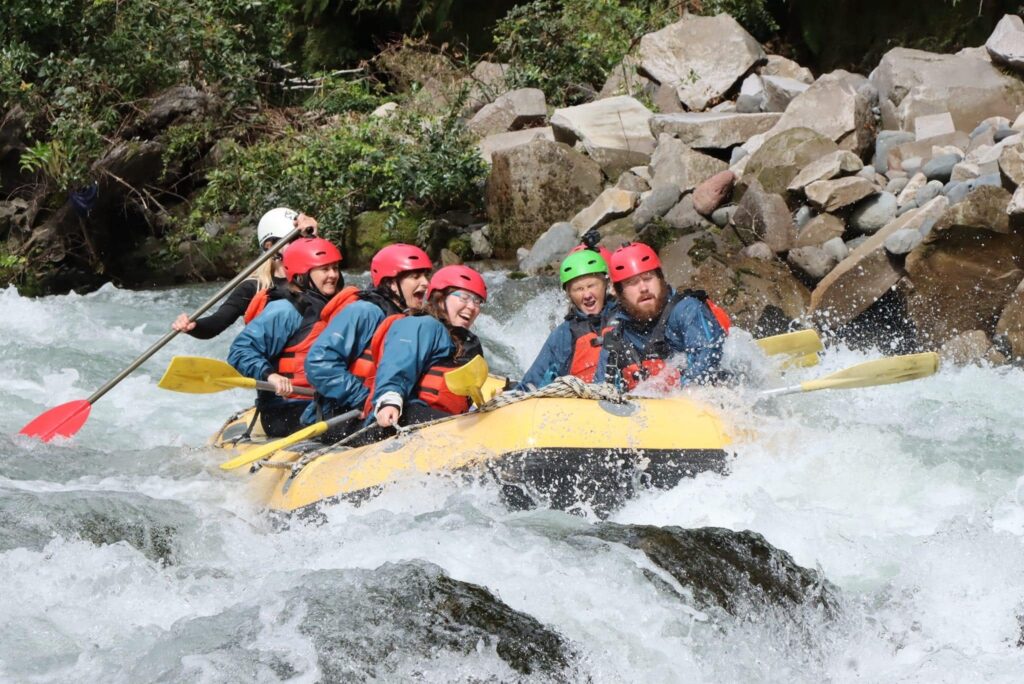
Those butterflies in your stomach don’t necessarily mean danger. Sometimes they’re just trying to tell you that the thing you’re thinking about matters, can result in growth, and represents you stepping into a bigger life. We tell our kids this all the time, don’t we? You can do hard things. Have a go. Even if you fail, you’ll learn. Be brave. Adults just get better at hiding, rationalising, and calling fear “being realistic”.
So what if 2026 is the year you say yes?
I’m not saying you should always give a reckless, burnout yes in order to please others and prove that you’re worthy. Instead, make this a year for a grounded yes. A yes to the thing that makes you feel alive. A yes to the version of you who’s a bit braver than the one who stayed comfortable. A yes even if you can’t see the whole path, just the next step. Because if you don’t practise yes, you don’t build evidence. If you don’t build evidence, you stay exactly where you are.
Maybe that’s fine for today. But will it be fine in five years? Ten? Twenty? You don’t need a complete reinvention. You just need a first move.
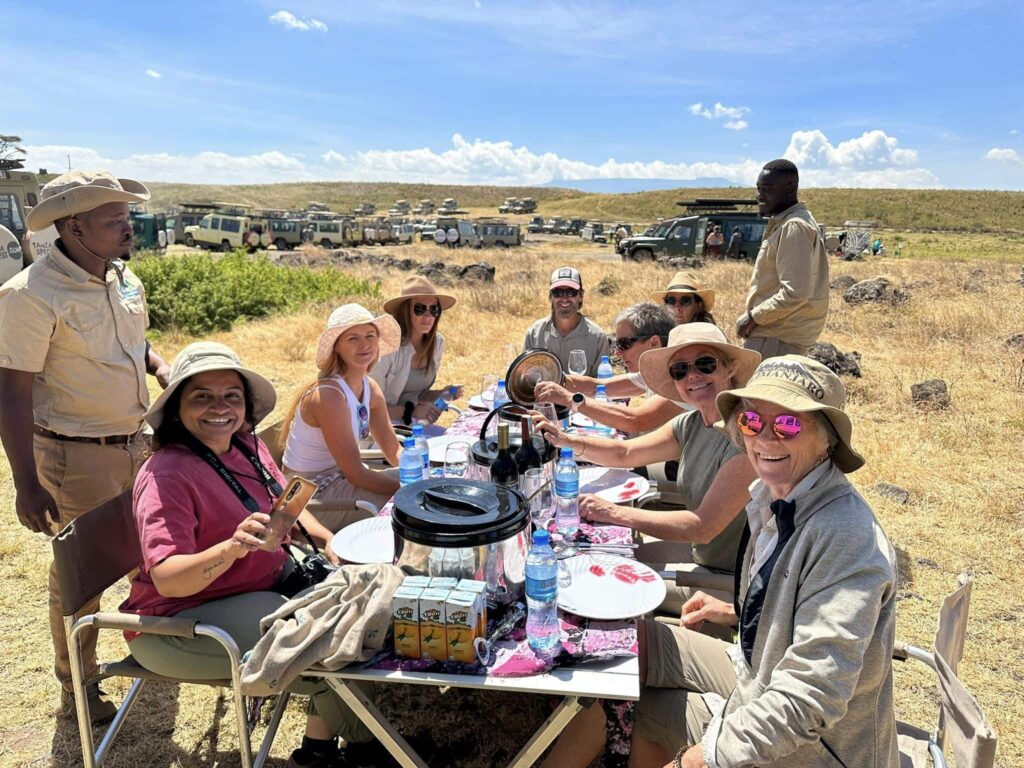
Start small. But start.
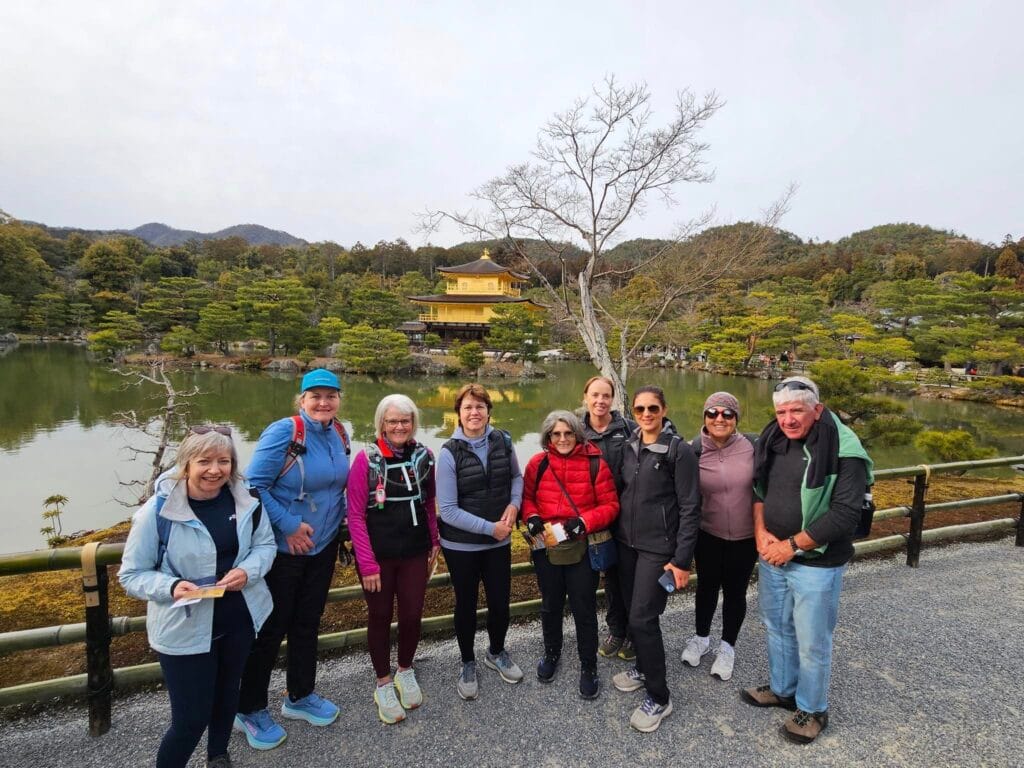
If you’ve been waiting for a sign, here it is. Or at least, here are a few ideas to get you going. Start with a day walk where you show up with intention. Start with a journal practice that gets you honest about what you want. Start with one decision that scares you just enough to feel real.
Get good at being uncomfortable, not because suffering is noble (it’s not), but because growth and comfort rarely share a house. The good news is that you don’t have to feel confident to begin, you just have to begin.
So here’s the question worth sitting with: When you look back on 2026, what do you want to be able to say? Do you want to say that you stayed safe, or that you gave it your best? The latter is one of the most powerful forms of peace there is.
If you’re ready to practise “yes”, our Adventure Journal is designed to help you name the life you want and build the courage to move toward it, one small brave step at a time. If you want to start in motion, come join us for a day walk for a simple, supported way to get out of your head and back into your life.