

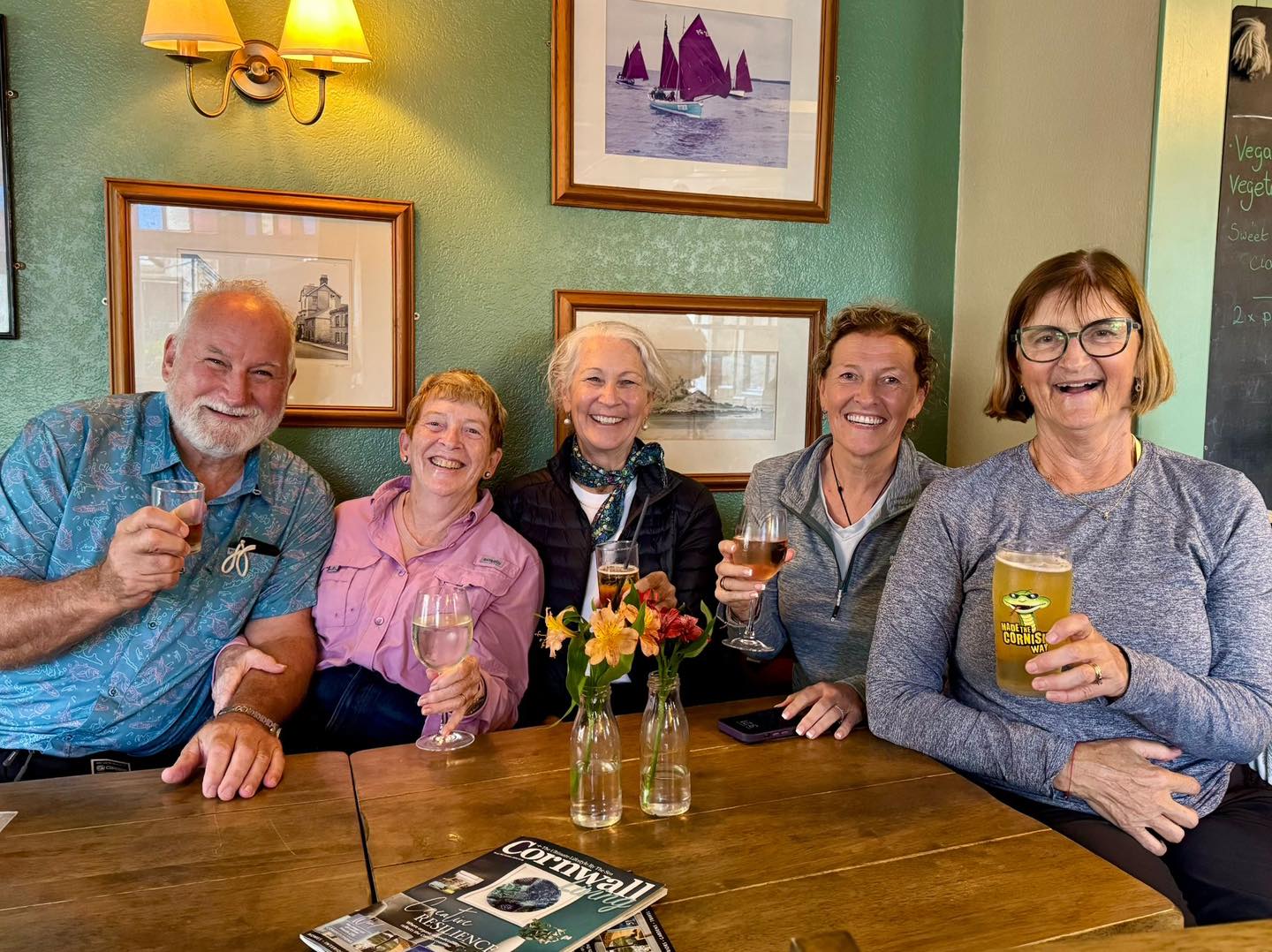
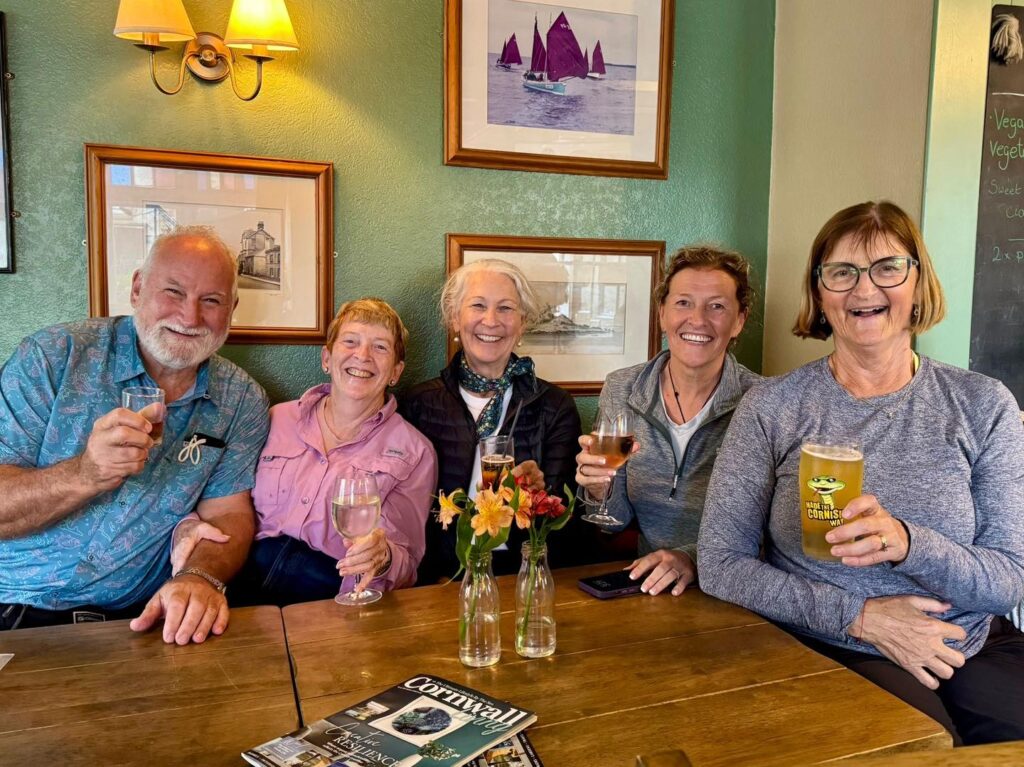
Think about the last time you caught up with someone you care about. You probably sat down at your favourite local cafe or restaurant (or maybe dared to try somewhere new), ordered a drink, and within minutes were replaying familiar stories. The catch up consists of the same usual updates of “How’s work?” and “How are the kids?”, maybe with some bonus questions if there’s something big happening in your life at the time. You share similar laughs and rehash old stories… and there’s nothing wrong with that. But if you’re honest with yourself, does it leave you feeling a little flat?
You and your friend have technically connected in the sense that you saw each other’s faces, listened to each other, and spent time together, but your connection didn’t exactly evolve or grow in any way. You were in each other’s company, but you weren’t really present. With lives becoming more hectic and busy, our idea of ‘catch-ups’ became something we do while sitting still, because that’s what will fill our cup and help us rest, right? But this just means we end up talking about life with our friends, instead of actually living it with them.
When did connection stop moving?
Humans haven’t evolved to connect with structured, face-to-face catch-ups. Our society and way of life have changed a lot more rapidly than the evolution of our brains, so there’s still a part of us that craves the way we connected thousands of years ago. This type of connection is done side-by-side while walking, working, moving, or just doing something together. Now that we have less to do in the hunter-gatherer sense (more collaborative activities) and more to do in the office-kids-housework sense (more isolated activities), we need to actually schedule in those catch-ups that no longer happen naturally. However, we still default to those sedentary activities to connect and this may not be the most effective way to bring you closer to your friends.
You’ll notice that something interesting happens when you change the way you catch up with friends and begin to connect through movement. The interaction feels less pressured and forced, and the conversation steers away from small talk and towards something deeper – or maybe you stop talking altogether and just find a sense of flow in the activity. It’s surprising how much more you can open up when you’re not staring straight at each other across a table, or when you’ve escaped somewhere away from busy places.
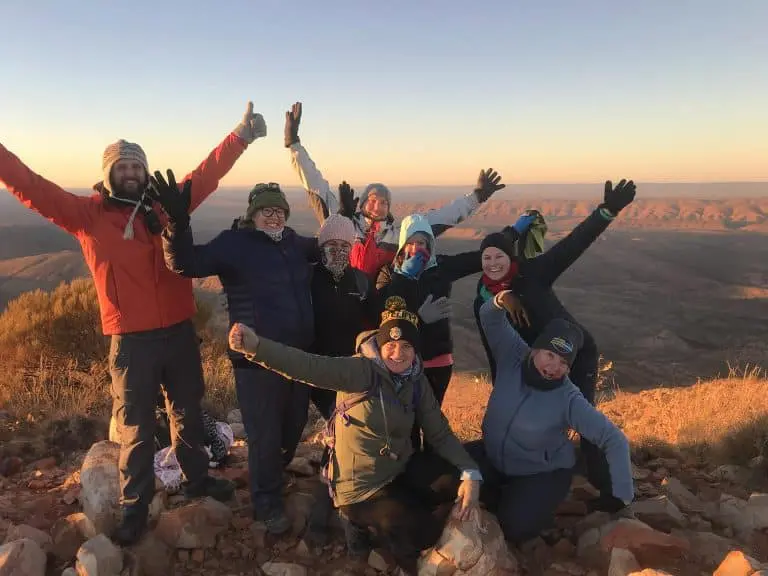
This is something we see all the time on our adventures. Some people are full of pep first thing on a Sunday morning, but many people arrive a little guarded, tired, or unsure of themselves. That’s okay; we want that! Because once they start moving and having those small beginner chats with other people, they start laughing, breathing harder, lending a helping hand to one another, sharing snacks, and enjoying comfortable silence while admiring a view. Suddenly, whether they’re friends or strangers, they’ve gone beyond catching up and have started actually connecting and creating something new.

How can movement and nature improve conversation?
There’s plenty of good science behind this idea, but I won’t make you read an article from a psychology journal to get it. If you’ve joined us for a walk, or tried some on your own, you’ll know how it feels for walking to regulate your nervous system, and for the mental noise to quiet down the longer you stay out in nature. It seems like all those nagging thoughts become smaller and more manageable when you gain that perspective. So, on a personal level, you’re already primed to be more relaxed and open.
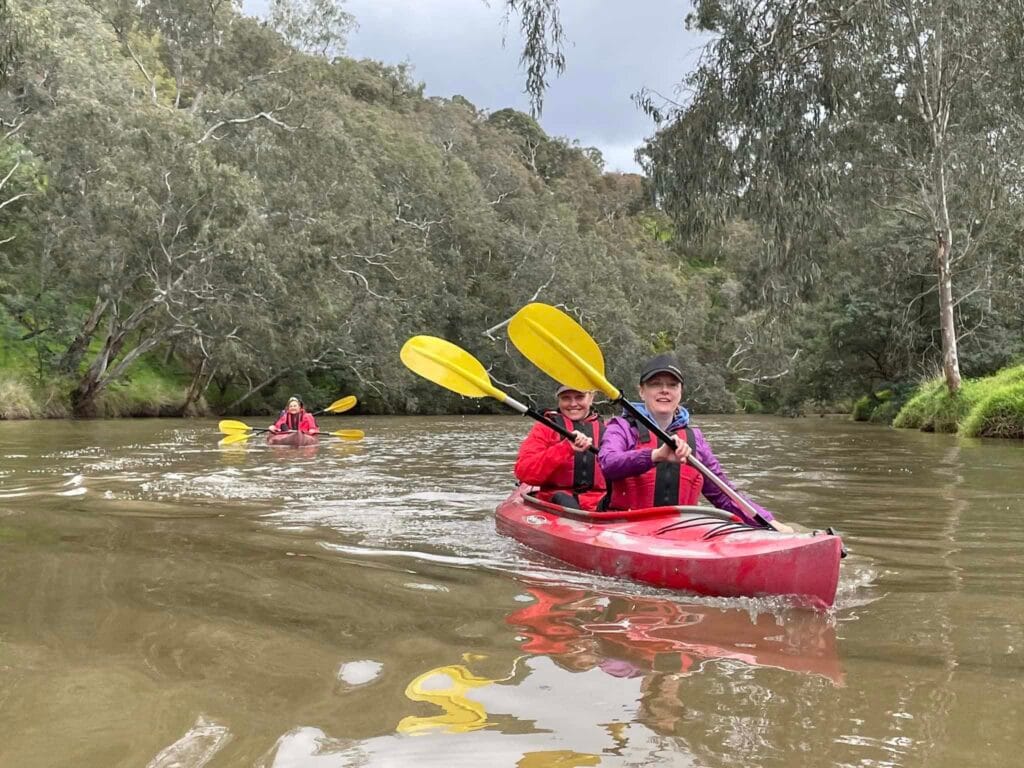
When other people are introduced, the real opening up happens. There is far more connecting and trust-building power in sharing effort, movement and achievement, compared to just sitting down and trying to talk. So reaching the top of a tricky climb or navigating around a blocked trail are surefire ways to bring people closer together. Plus, when people walk side-by-side, they find themselves opening up far more. Even if they don’t talk, they still feel connected to the people around them. This is why some of the strongest friendships are built doing things that may be slightly outside your comfort zone.
Start on your own and make new friends
One of the biggest myths about connection is that you need to arrive with people and already be best friends by the time you head out into nature. In reality, shared experience does the heavy lifting. You don’t need to know anyone because the walk itself is what creates that sense of connection. We all need to start somewhere, so the most important step can be just showing up.
When you do, you’ll discover that walking with other people, especially in a guided, supportive and welcoming environment, causes belonging to form naturally. No one is performing or pretending to feel something different than what they are. Everyone is just being authentically human. This is why strangers are so easily able to become walking buddies (or non-walking buddies!), and people who didn’t know anyone are able to become part of the group in no time at all. Even quiet people who consider themselves introverted have the chance to find their place, talk if they want, or just enjoy listening to others. This is what’s known as psychosocial safety, a complete sense of permission to be yourself, and it’s the best way to experience it.
These catch-ups are far from perfect
Okay, while they are technically one of the best things you can do to actually connect with others, the imperfections that come with outdoor activities only work to strengthen the experience. Maybe the heavens open halfway through and you get drenched. Maybe a trail is mysteriously closed. Maybe the climb makes your legs feel more pressure than they’re used to. Overcoming challenges like these contributes to the level of connection you experience; it doesn’t detract from it.
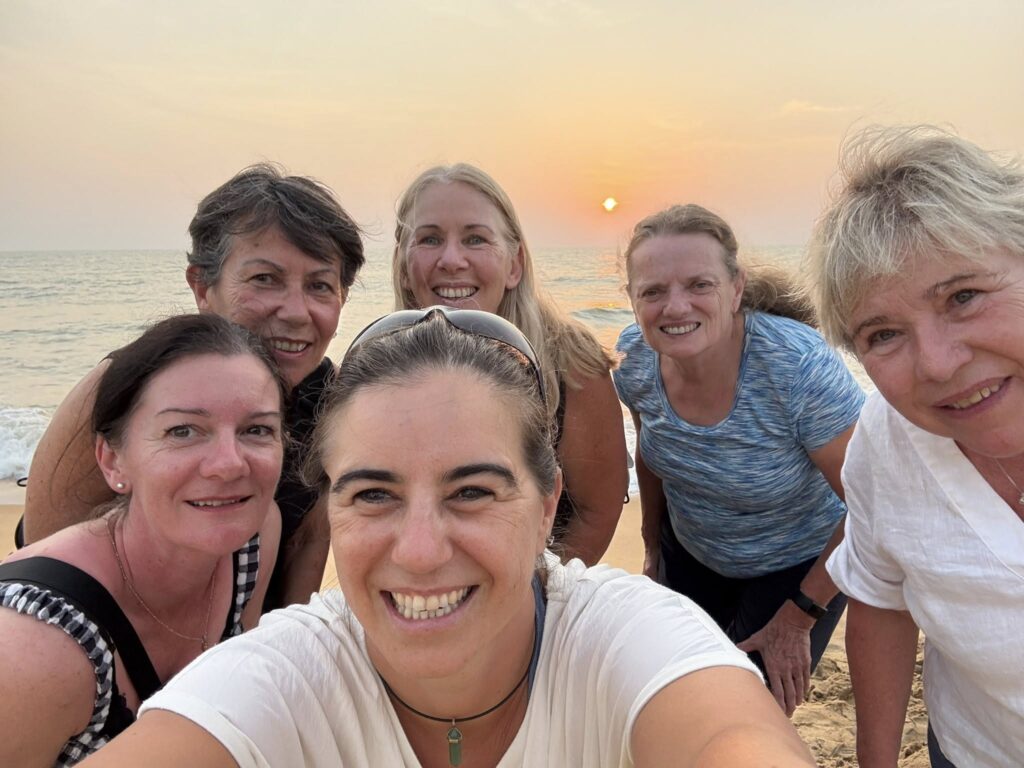
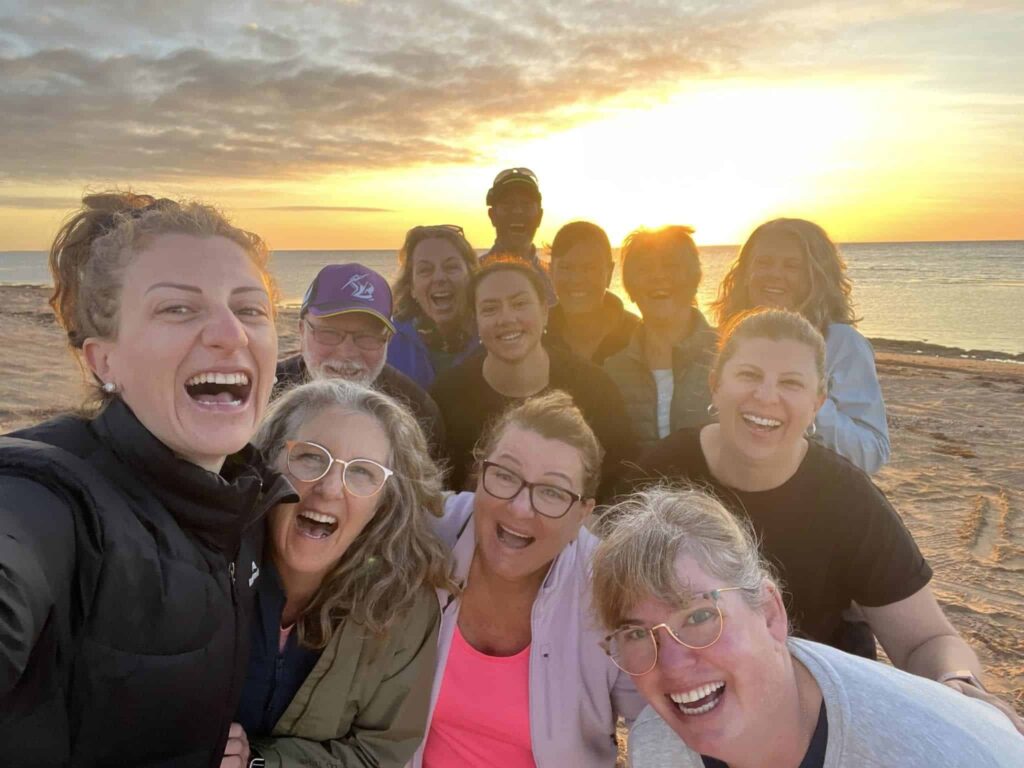
So if you see our photos on social media and they’re not perfect portraits, that’s why. We’re not trying to chase the ‘perfect’ moments to prove to other people how great life is. We know that the proof is in the massive grins, the ugly laughs, the sweaty faces and the messy hair. That’s what tells us that true connection has happened through movement, nature, and shared experience.
So, here’s your new way to stay connected
Don’t take this the wrong way, I’m not saying you should stop catching up altogether. You might just want to rethink the way you do it. What if your next catch-up gave you something new to talk about next time? What if it left you feeling energised instead of depleted? What if connection came from doing life together, not just talking about it?
That’s my offer to you, to stop catching up to talk about old memories and start catching up to create new ones. Go Anyway™